The machine stops. An error message appears on the control panel: a collision involving the cutting nozzle. Not again. Sometimes the interruption lasts only a minute. Often, however, a damaged nozzle means longer downtime, additional inspections, and lost production time. During the laser-cutting of hot-formed car body parts, such disruptions can throw an entire production line off rhythm.
Nozzle collisions hinder productivity
At first glance, a nozzle is just a small component designed to expel molten material as efficiently as possible using cutting gas. A long-standing rule in laser cutting has been that the closer the nozzle operates to the part, the better the cut quality. However, with complex 3D components, this close proximity increased the risk of collisions. The X-Blast 2.0 breaks with this principle: its unique geometry enables cutting at a significantly greater distance, dramatically reducing collisions – even when cutting with the much more cost-effective compressed air.
Duoli also experienced repeated interruptions due to nozzle collisions. That is why the company decided to test the new generation of TRUMPF’s X-Blast cutting nozzle as part of a pilot project.
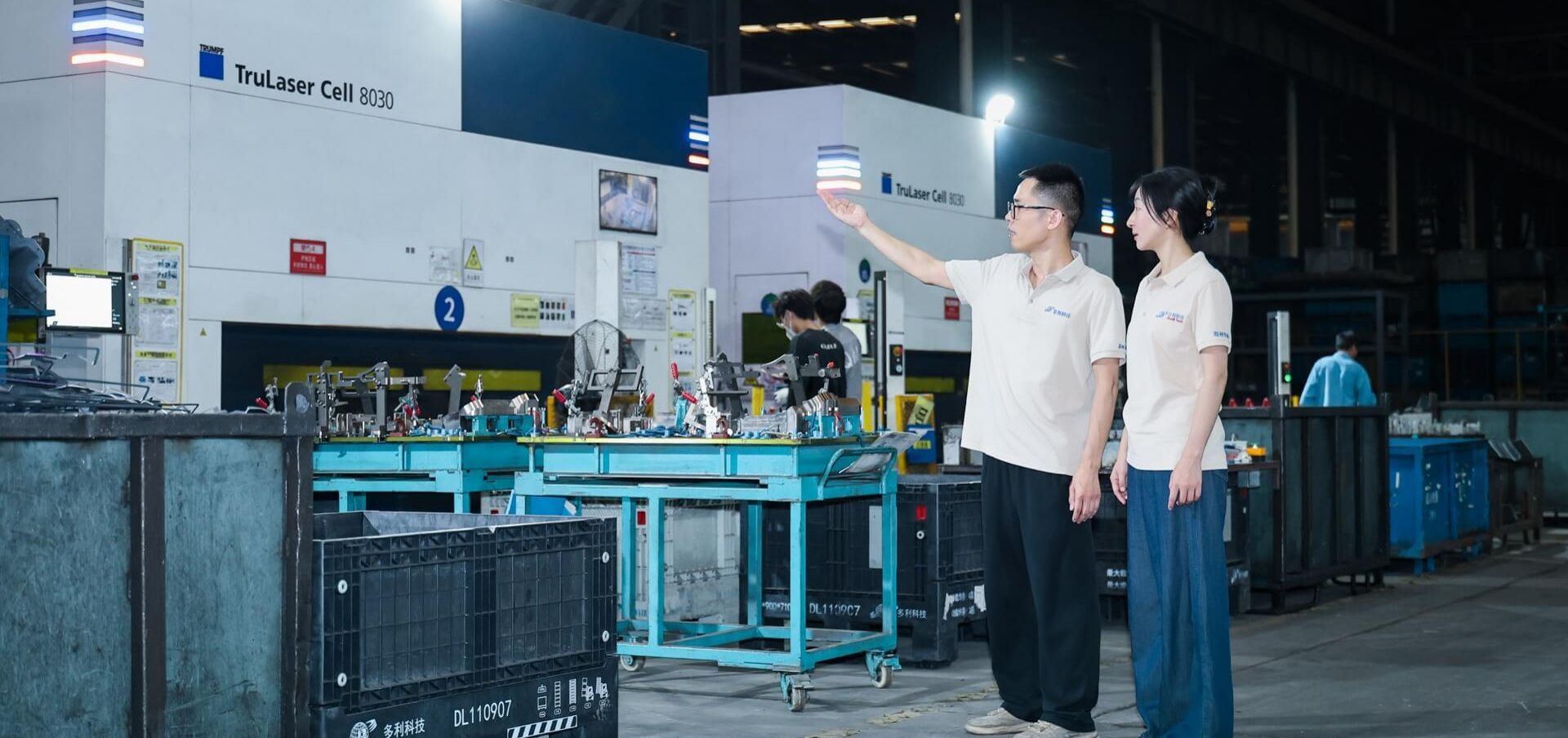
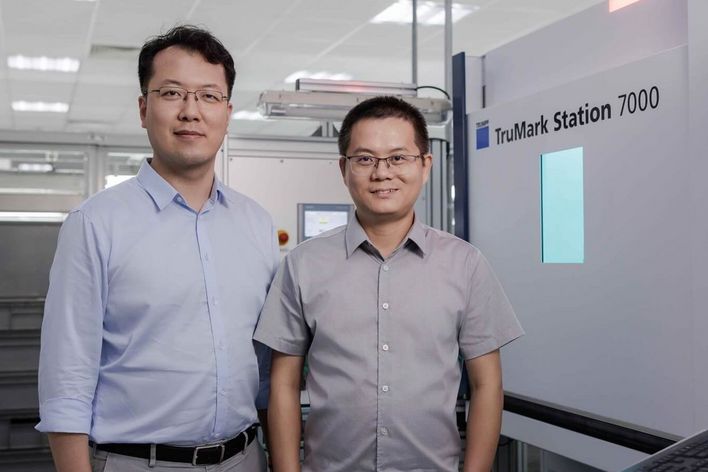
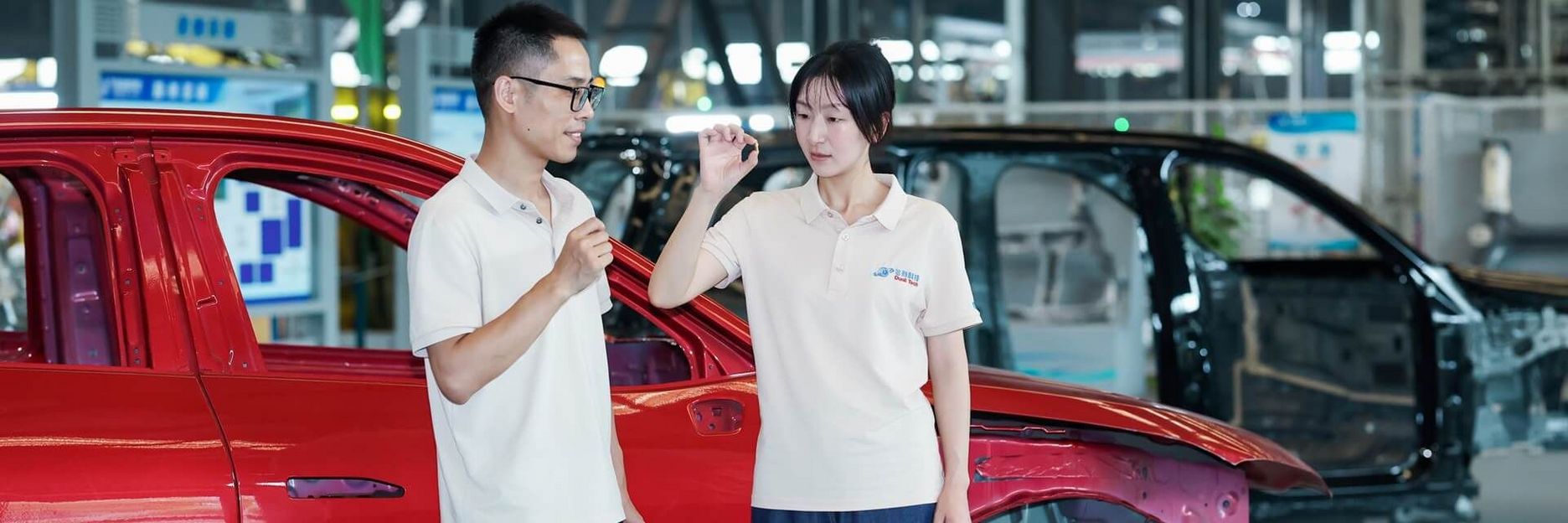
Marina Cheng, General Manager, and Kai Yang, Process & Equipment Manager at Duoli's Chuzhou plant, saw room for improvement in production. Sometimes, a single small component can make all the difference.
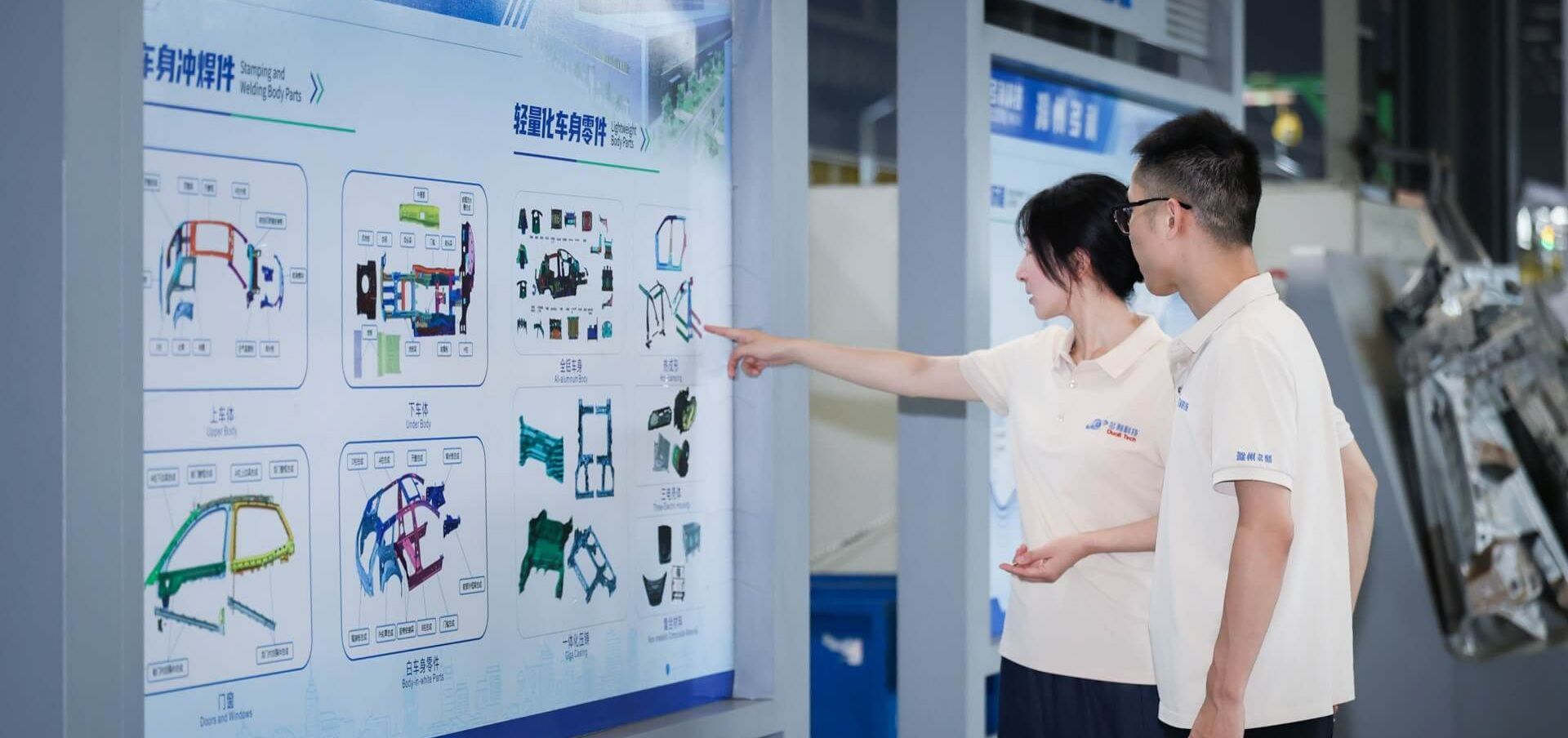
The Duoli Technology Group is a well-established supplier to the Chinese automotive industry. Competitive pressure is high: quality, on-time delivery, and productivity all have to be maintained - while costs matter too.
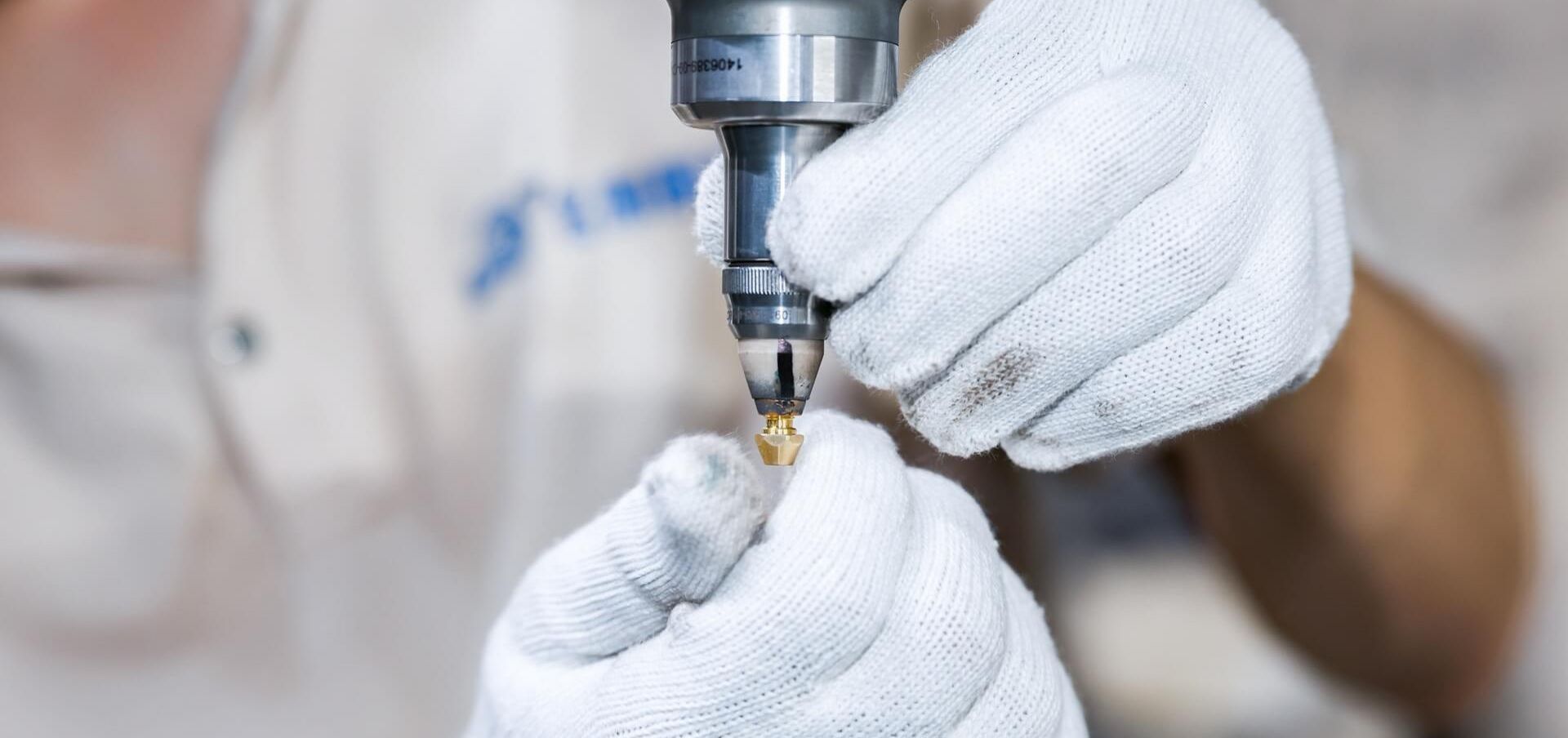
Thanks to its special geometry, the X-Blast 2.0 nozzle can cut at a significantly greater distance from the part, even when using cost-effective compressed air, dramatically reducing the risk of collisions.
Efficiency beats price
The publicly traded Duoli Technology Group is a well-established supplier to the Chinese automotive industry. It develops and manufactures stamped parts, welded assemblies, tools, and hot-formed structural components for international vehicle manufacturers with production sites in China.
Like many suppliers, Duoli operates under intense competitive pressure. Quality, on-time delivery, and productivity all have to be maintained, while every cost factor counts. This is why efficiency, reliability, and sustainable profitability play a central role in investment decisions. Marina Cheng, General Manager of Duoli plant in Chuzhou, explains: “We work with various machine manufacturers and compare the performance of their systems in daily operation. In the end, it’s not just the purchase price that matters, but productivity—because that’s what helps us minimize our part costs.”
When it came to laser cutting hot-formed structural parts for vehicle bodies, Kai Yang, Process & Equipment Manager of Duoli plant in Chuzou, saw room for improvement: “The nozzles we were using had an average service life of three to five days. We were also slowed down by about ten collision alarms per shift.” Each malfunction required operator intervention, causing downtime and additional maintenance costs. In some cases, depending on the severity of the collision, damage also occurred to the nozzle, the cutting head, or the sensor.
Small component – big advantage
When TRUMPF introduced the X-Blast 2.0 cutting nozzle for the TruLaser Cell 8030 laser cutting machine in combination with BrightLine Speed technology, Kai Yang was ready to launch a pilot project. “Our effort was minimal: Instead of investing in a new machine, we simply retrofitted an existing one,” he explains.
Apart from the installation of the new nozzle, only minor process parameter adjustments and a cut quality check were necessary. But what makes the small X-Blast 2.0 so special? The technical principle is simple: the know-how lies within the nozzle. Its special geometry, in combination with BrightLine Speed, enables cutting at a significantly greater distance from the component. This prevents nozzle collisions, eliminating one of the main causes of wear, interruptions, and quality issues. However, this only works in combination with TRUMPF’s BrightLine Speed beam shaping technology. In this combination, the X-Blast 2.0 is also specifically designed for productive 3D laser cutting of hot-formed components.
A nozzle lasts for months
TRUMPF’s promise—fewer collisions, longer service life, and more stable processes—was fully realized at Duoli. “The significant reduction in collisions was our biggest ‘aha’ moment,” says Kai Yang. “It not only extends the service life of the nozzle but also reduces downtime and improves process reliability.” The first field test clearly demonstrated the impact: a single X-Blast 2.0 laser nozzle remained in use at Duoli for over 80 days, processing more than 80,000 components before TRUMPF technicians removed it for analysis.
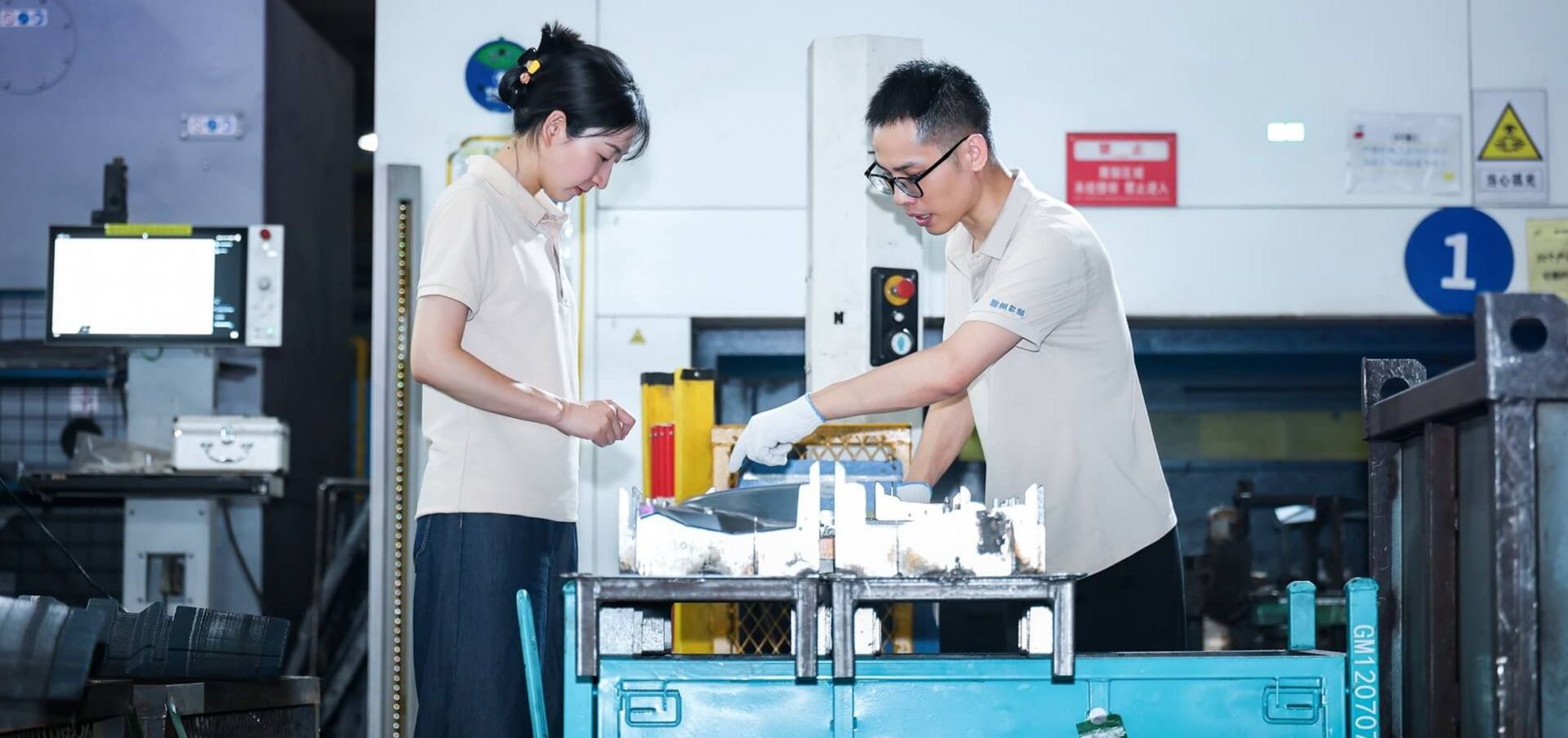
At Chinese automotive supplier Duoli, the TruLaser Cell 8030 laser cutting machine is used to cut hot-formed structural components for vehicle bodies.
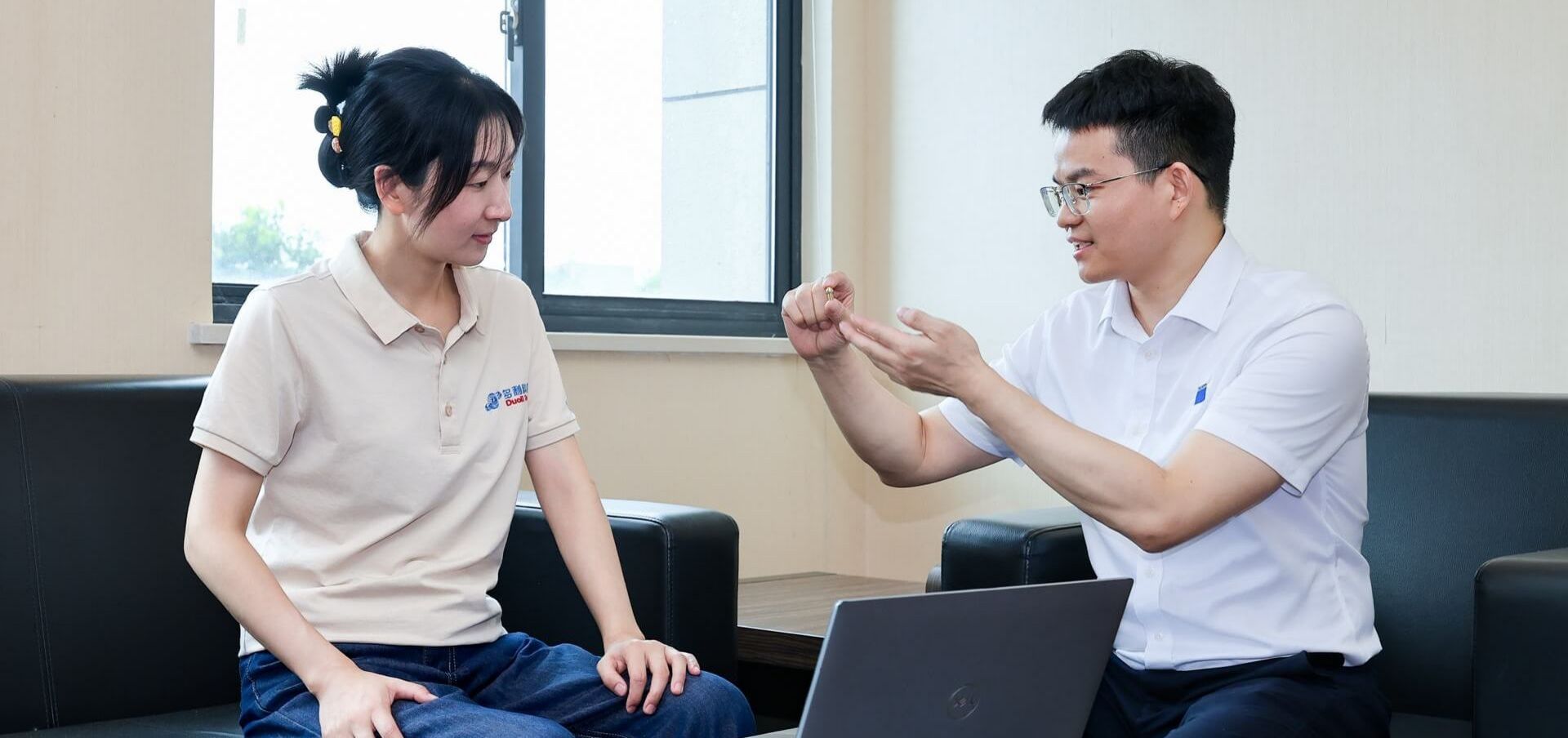
Duoli tested the new generation of TRUMPF's X-Blast cutting nozzle as part of a pilot project.
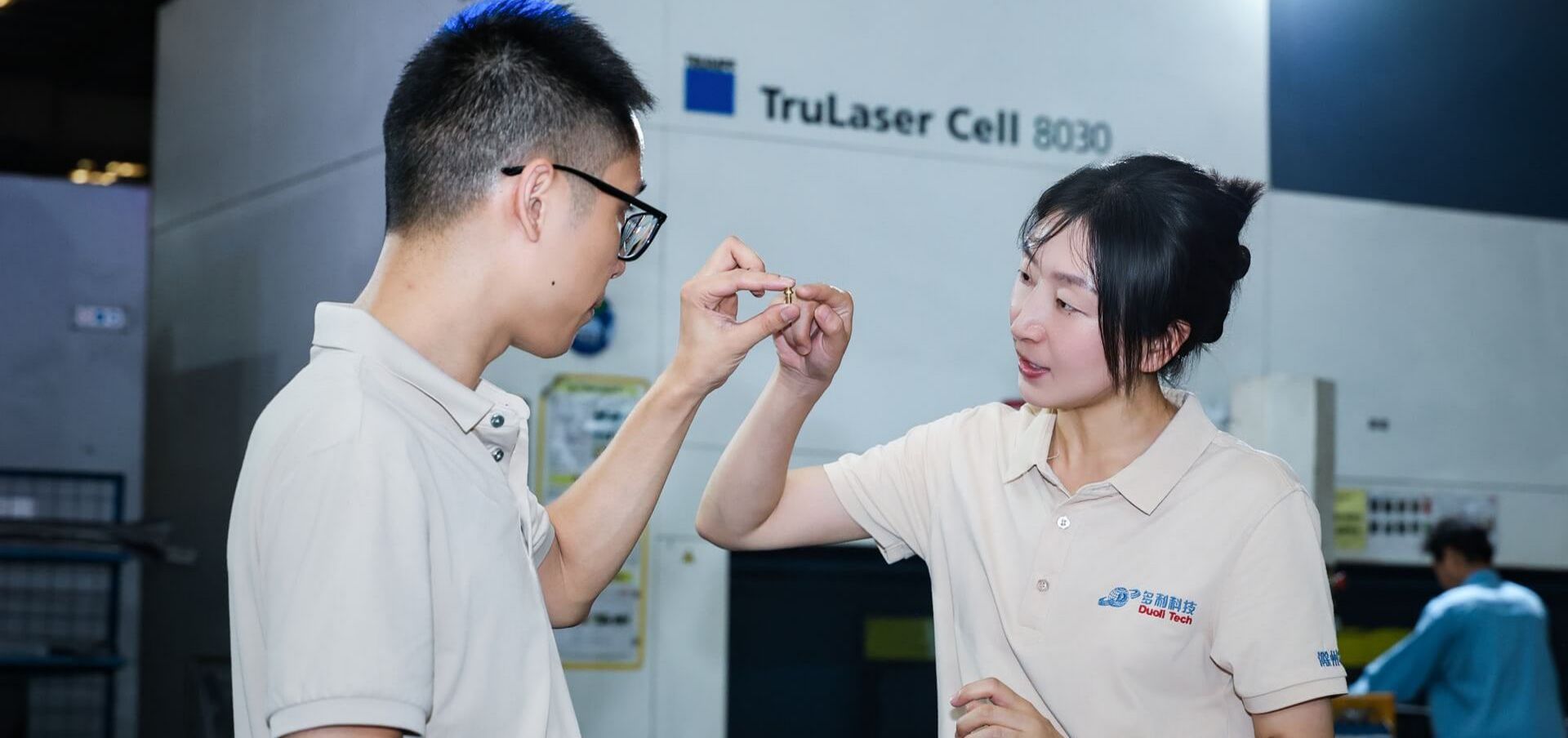
A small component with a big impact: Combined with BrightLine Speed technology, the X-Blast 2.0 cutting nozzle for the TruLaser Cell 8030 significantly reduces collisions, thereby extending its service life.
Small cause – big effect
For Marina Cheng, however, it’s not only the longer service life of the nozzle that matters. What counts is that the solution helps make day-to-day production more stable and efficient, and, especially in a market where costs and productivity are closely linked, a technical detail can become an economic advantage. At Duoli, use of the new nozzle has brought greater stability to the manufacturing process, even as productivity has increased. Meanwhile, machine downtime has decreased, and employees spend less time troubleshooting or replacing worn-out nozzles.
The company is already planning to implement the solution at additional locations and is further expanding its activities in the field of hot forming. Several new production lines are planned. Marina Cheng is very pleased with the new solution: “Sometimes, improving an entire manufacturing process starts with optimizing just one small component.”