Mr. Reuther, many medium-sized sheet metal processing companies are faced with the question: Which machine really suits my business? Where do you believe they should start?
Reuther: First of all, I would advise them to broaden their focus. It is not about buying the cheapest machine, but about finding the most economical solution for your production. The decisive factor is the long-term cost of parts, so everything that is incurred over the entire life cycle of a machine. This includes material consumption, energy requirements, operating costs, availability, and service.
That sounds like a much more comprehensive approach than the classic view of considering the purchase price.
Reuther: Exactly. The purchase price is visible and comparable, but the running costs are often not. In many cases, they account for a significantly larger share of the costs. Anyone who wants to manufacture economically, must understand how efficiently a machine works on a day-to-day basis and how stable it will be for years to come.
In your experience, which factors are often underestimated when it comes to profitability calculations?
Reuther: Service costs are often underestimated. It is not only downtimes that are decisive, but above all the speed of recovery: Will the spare part be on site quickly? Will the service engineer be available immediately? Soft factors also have a major impact on costing, such as setup times, operator convenience, training costs, and the quality of processes. Power input and material utilization also play a greater role than many companies initially assume. All of this flows directly into the cost of parts.
For companies with a low investment budget, TRUMPF has launched a specially developed machine series onto the market – the 1000 series models. What is the idea behind these machines?
Reuther: TRUMPF is known for premium solutions in the sheet metal processing sector. This is why our machines are often not known to companies that are new to sheet metal processing or want to modernize their production economically. Our 1000 models are precisely tailored to this customer segment. They offer a lower entry level while also providing high process reliability and quality. This is particularly attractive to medium-sized companies, as it allows them to create a stable basis for their production with a manageable investment.
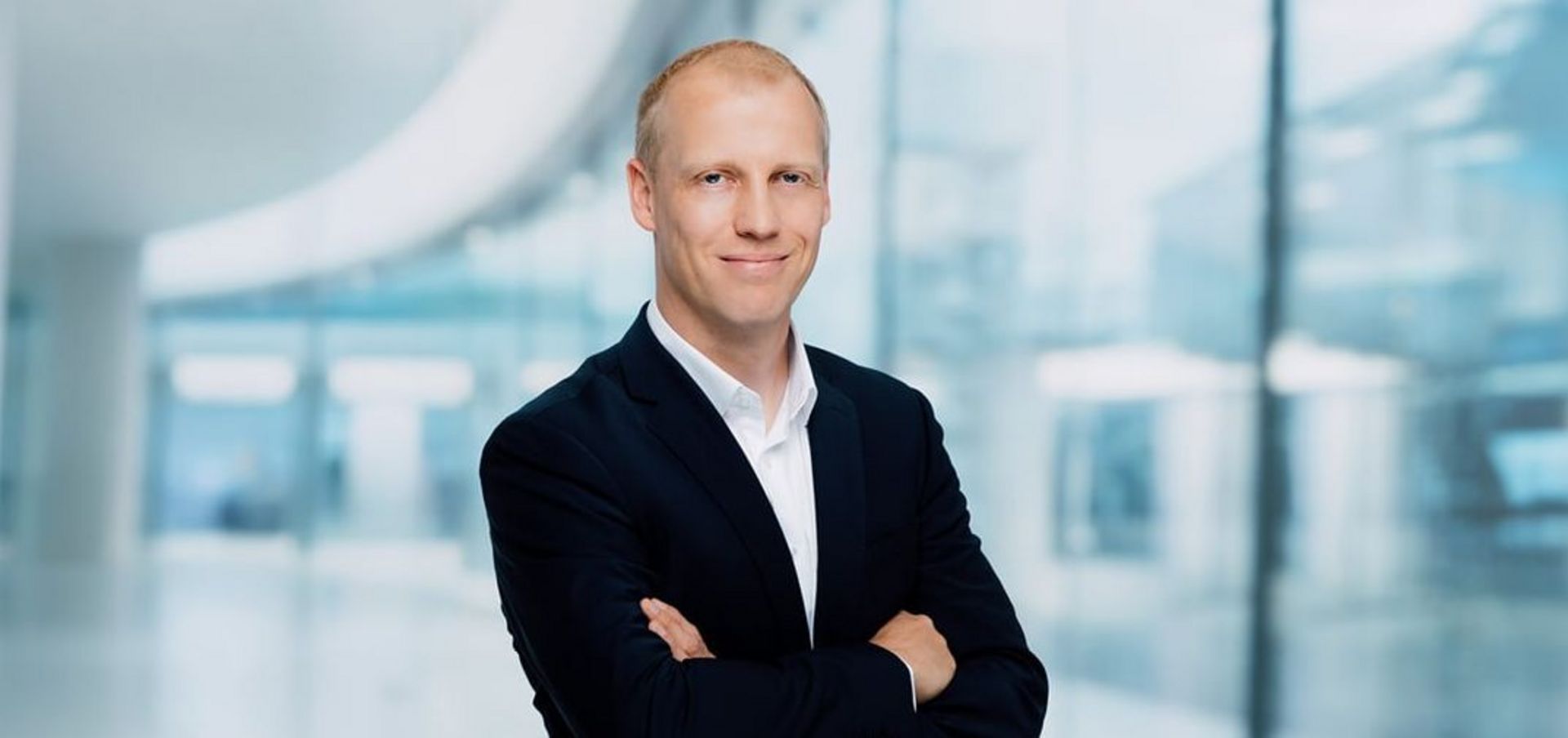
Tobias Reuther is Head of Product Management at TRUMPF Machine Tools.
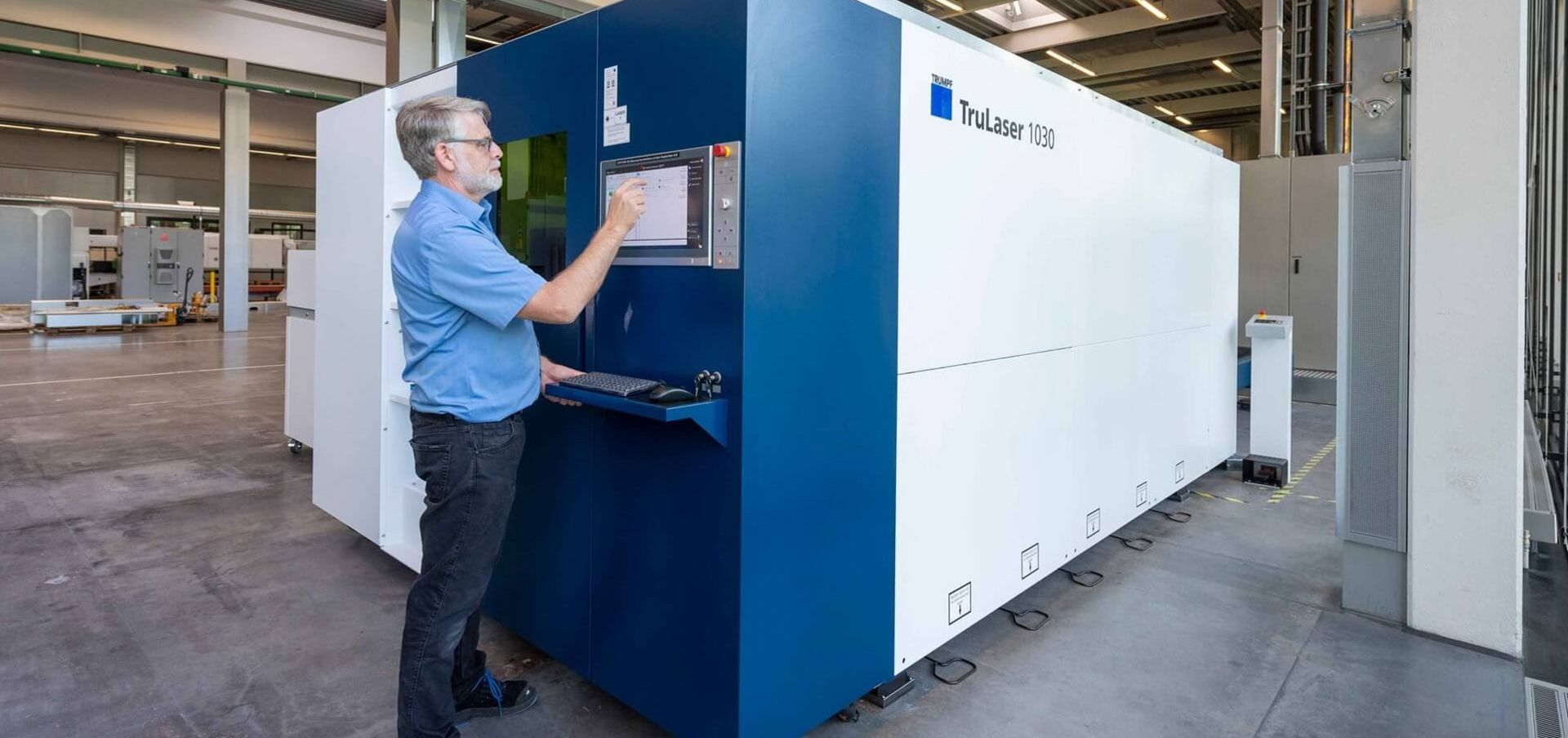
Among sheet‑metal fabricators, TRUMPF is known as a premium supplier. However, the company provides laser cutting machines such as the TruLaser 1000 from as little as €300,000. Bending machines are available from as little as €100,000.
What exactly do these machines cost and how can companies finance them?
Reuther: Laser cutting machines from the TruLaser 1000 series are available from TRUMPF for less than EUR 300,000. Bending machines from the TruBend 1000 series start at EUR 100,000. For many companies, this is still a major investment. This is why TRUMPF is the only machine manufacturer in the world to operate its own bank. It is operated by experts who are perfectly placed to assess the opportunities and risks of the investment, as well as the residual value of the machine. They provide companies with targeted advice on investments and present suitable financing models, such as leasing, to them. This offer is very well received in Europe.
How important are service and machine availability from your point of view?
Reuther: Extremely important. A machine that is at a standstill and does not produce any parts still generates costs. That is why we do not consider service, spare parts availability, and maintenance as an add-on, but as an integral part of the product concept and value proposition. Profitability can only be achieved if the machine is reliably available over its entire life cycle.
Many companies are under cost pressure. Despite this, where should savings not be made?
Reuther: Definitely not when it comes to quality and safety. These are not adjustments that should be made in the short term. You usually pay for compromises at a later date – through longer idle times, lower component quality, or safety risks. Sustainable profitability is achieved by implementing robust processes, not short-term savings.
Finally, what is your most important piece of advice for medium-sized sheet metal processing companies that want to invest today?
Reuther: Think in terms of the parts, not the machines. Anyone who takes a holistic view of their production, analyzes costs over the life cycle, and invests in reliable technology and service, creates the basis for future-proof production.