Country/region and language selection

Fully automated turbo efficiency

There is an imbalance between hot forming and further laser processing: Three to four laser systems are required for further processing the large quantity of parts from hot forming. Automation therefore plays a central role at GEDIA. However, the large variety of parts and average quantities as well as the resulting need for frequent retrofitting make efficient automation difficult. Automated processes also require suitable containers for half-finished and finished parts, and with many different parts, this requires a lot of effort. With an order to manufacture a longitudinal beam in high quantities, the topic of automation becomes feasible at GEDIA. Together with TRUMPF and solution partner Autom8, GEDIA is now developing a place-saving part automation of two existing systems and investing in a new fully automated TruLaser Cell 8030 (L60). 

GEDIA Gebrüder Dingerkus GmbH

www.gedia.com

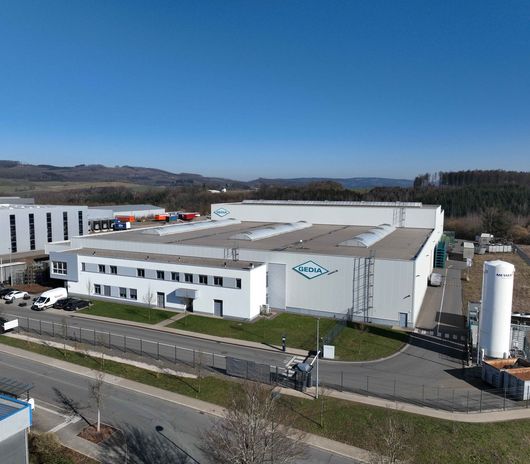
The family business GEDIA, founded in 1910, is a renowned supplier for the international automotive industry. The company develops and manufactures structural components and assemblies for automobile bodies and chassis, produces functional components to meet crash requirements in vehicle construction and supplies engine components. GEDIA employs approximately 4,800 people at its headquarters in Attendorn, North Rhine-Westphalia, Germany, and at eight other production sites in the USA, Mexico, Poland, Spain, Hungary, India and China. As well as comprehensive expertise in all standard technologies in automotive lightweight construction, the company also continuously expands on their skills in future-looking technologies and is involved in many joint ventures and research projects.

Industry
Automotive industry
Number of employees
4,800
Site
Attendorn (Germany)
TRUMPF products
  • TruLaser Cell 8030 with automation

Applications
  • Laser cutting

  • Automation

Challenges

The vehicle supplier GEDIA produces automobile body parts of various sizes. This bandwidth requires a high level of flexibility in production. Economically viable automation is often difficult. When GEDIA received an order for the manufacture of a large quantity of longitudinal bars, it gave the green light for automation. "After the initial planning it was clear that we could utilize two lasers to 100 percent with this one item. The containers needed for automation were supplied from a customer. Perfect conditions", said Pascal Kaufmann, Head of Production at GEDIA. As well as the quantity, the weight and dimensions of the longitudinal bar are also better suited to automated processing: Around 8 kilograms for a length of around 1.80 meters is difficult for employees to handle.  

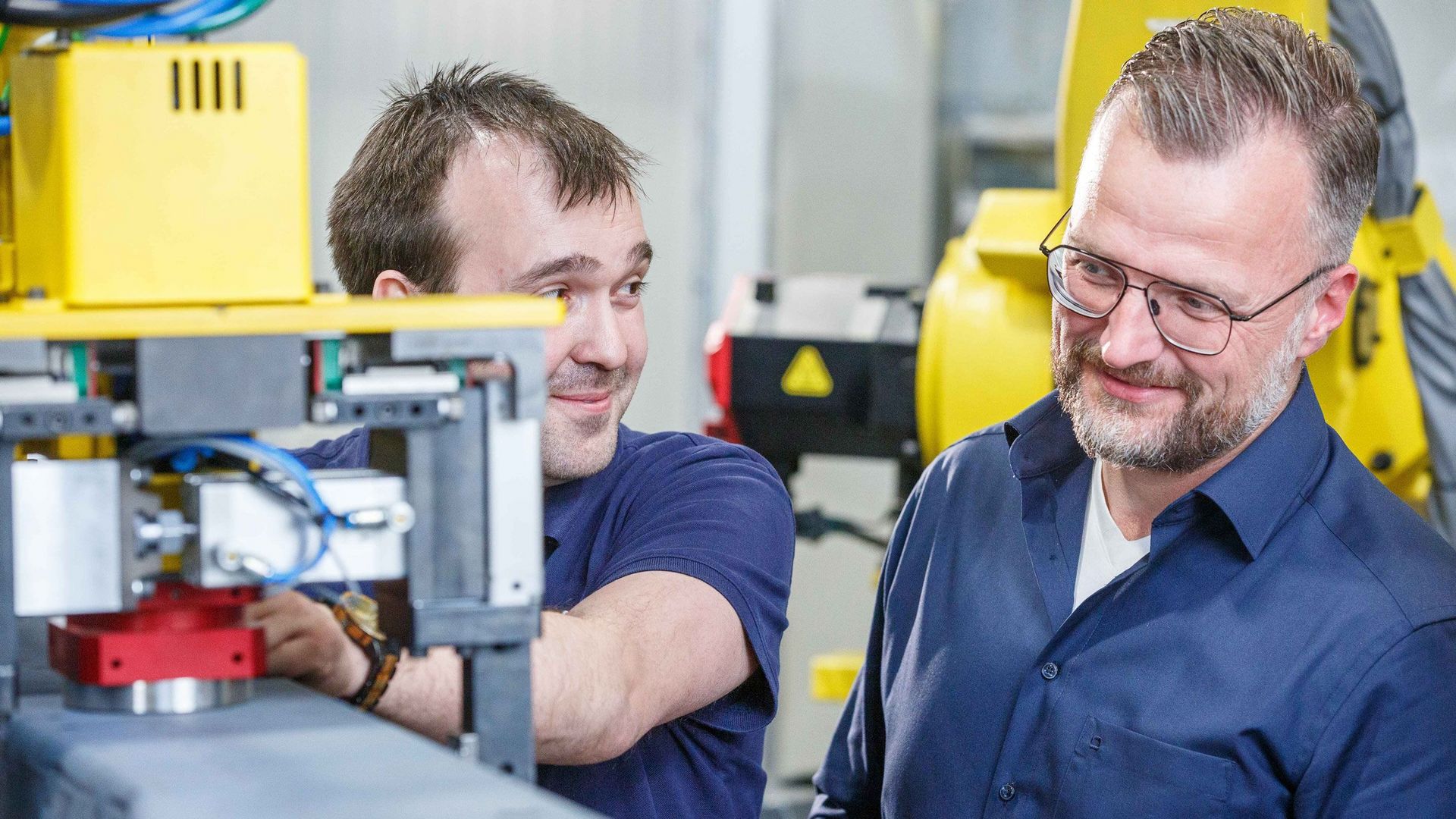
Kaufmann and his colleague Björn Müller, Project Manager for Capital Goods in Machine and Building Management, got in contact with TRUMPF. In a shared workshop with TRUMPF experts and specialists from the solution partner Autom8, they put what they wanted from a fully automated process on the table. "An important point for us was container management", said Müller. He continued: "We require special containers in an automated process. Procurement is expensive, and the handling and storage are also not cost effective." Quality Assurance with suitable camera systems and a sophisticated gripper technology were also on the agenda. "Parts produced from hot forming usually have a funnel shape and a rough surface. They are stacked for further processing on the laser. The automated gripping and, most importantly, the separation of the parts is no small feat", said Müller. Last but not least, there was only limited space available for automation.  

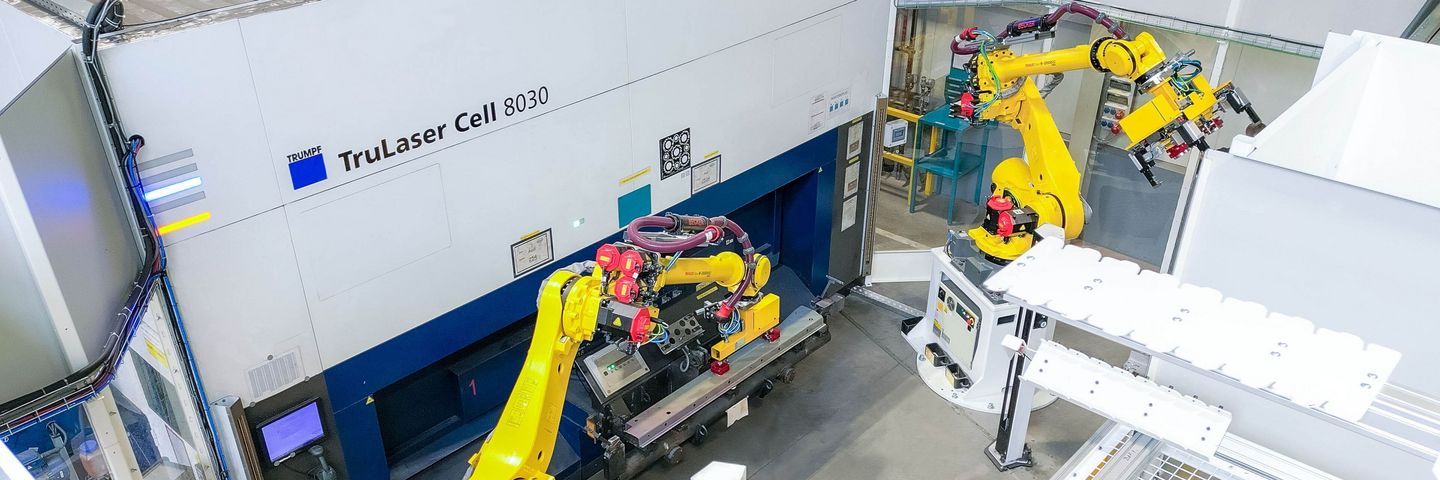
TRUMPF and Autom8 deliver a convincing concept: two of the available TruLaser Cell 8030 machines are equipped with a smart 1-robot automation, which, thanks to its space-saving design, enables both automated and manual operation of the TruLaserCell 8030, and is therefore perfectly suited to the space available at GEDIA production. However shortly after, flexibility was once again requested: Changes in quantity required the automation of another TruLaser Cell 8030 (L60). However, as this system can only be utilized to half of its potential with the production of the longitudinal bar, good advice is expensive. As a result of positive experiences with the first two automations, Kaufmann and Müller then made the next step: They requested a full automation, which would enable the longitudinal bar and another item with similar dimensions to produce 24/7 without a large setup effort and operator intervention.
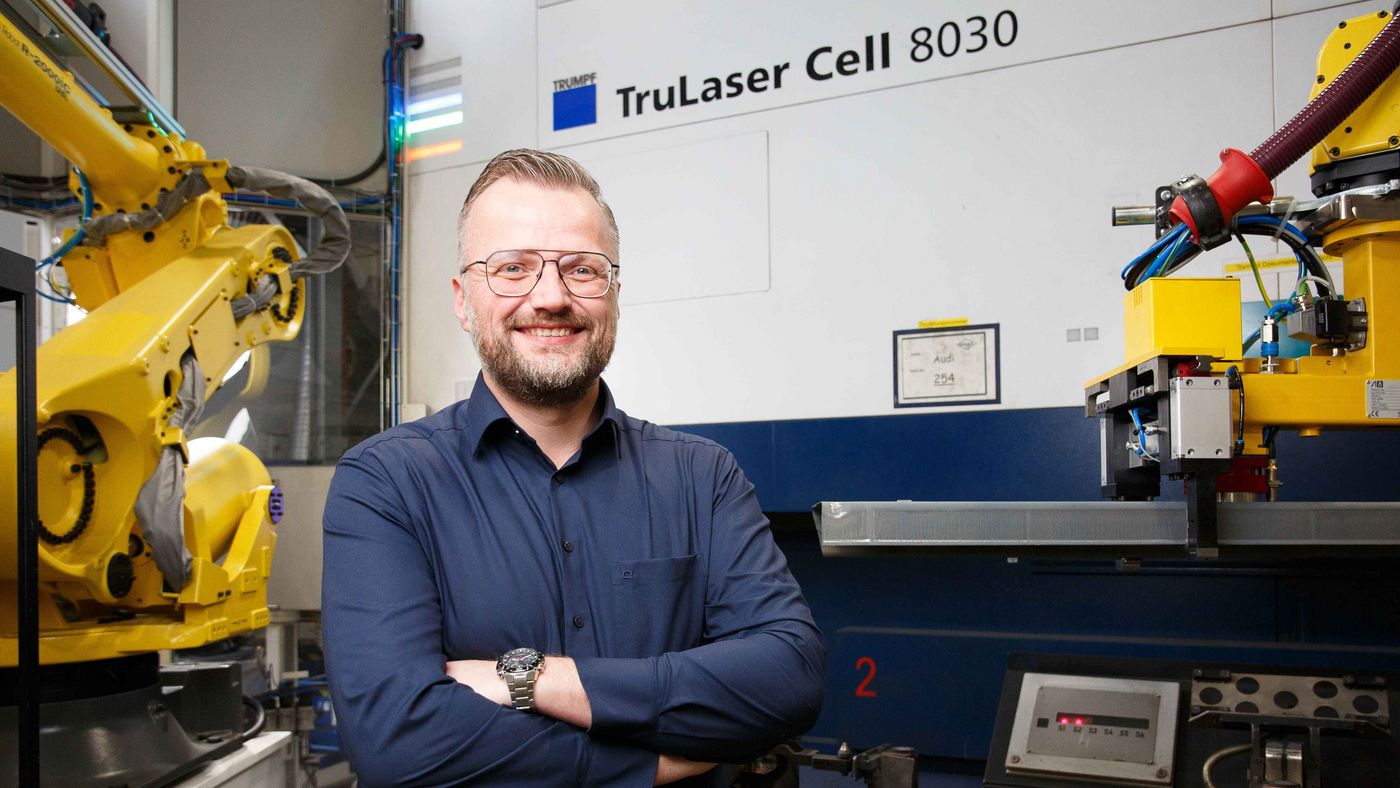

TRUMPF took general responsibility in the collaboration with Autom8. This made us feel that everything came from one source.

Björn Müller
Project Manager for Capital Goods in Machine and Building Management at GEDIA

Solutions

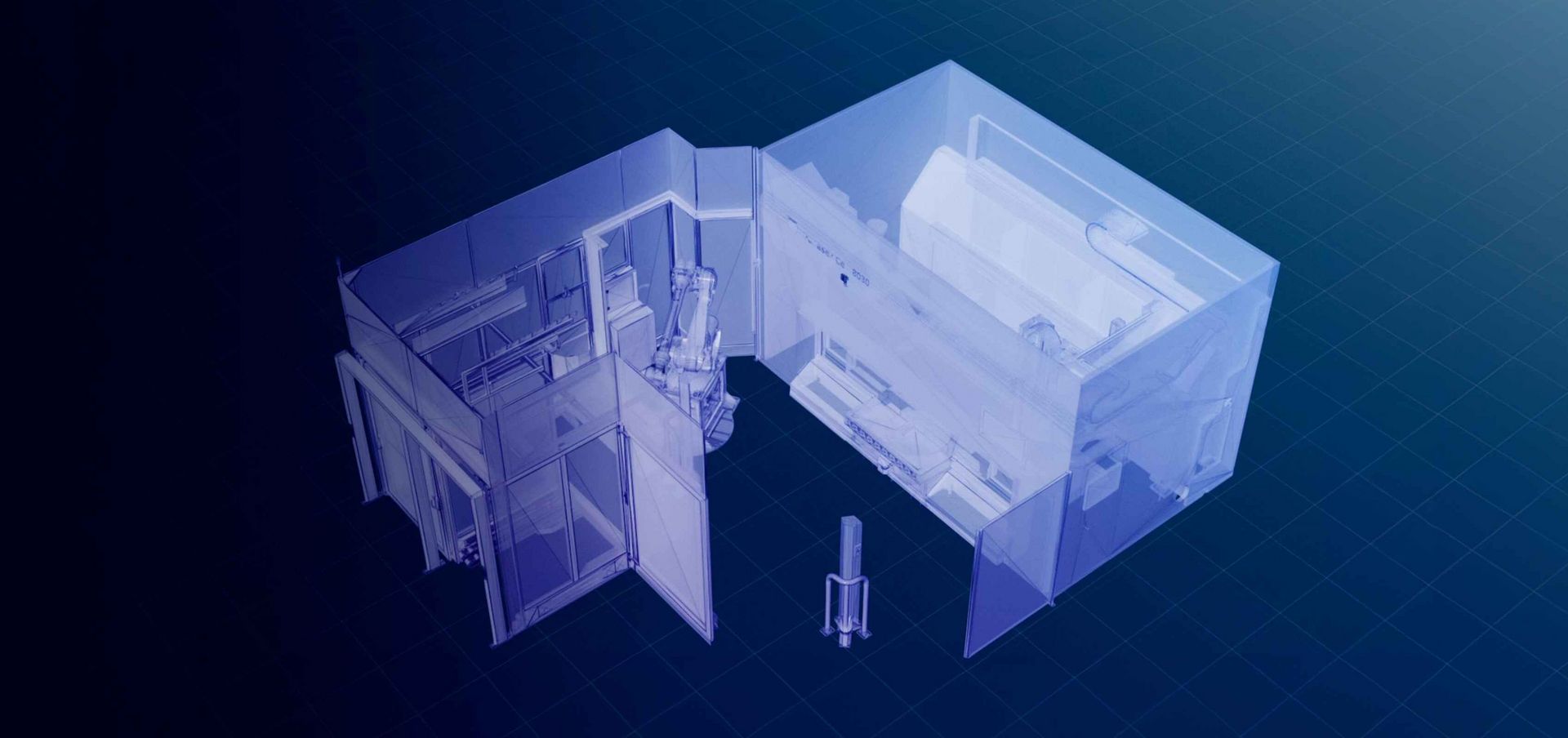
With the 1-robot automation of both existing systems, GEDIA wanted a place-saving solution. The smart safety concept with a foldable safety door on one side of the system meets this requirement. For more flexibility, the systems offer the option of hybrid processing. Alongside automated operation, manual mode is still possible as before. 

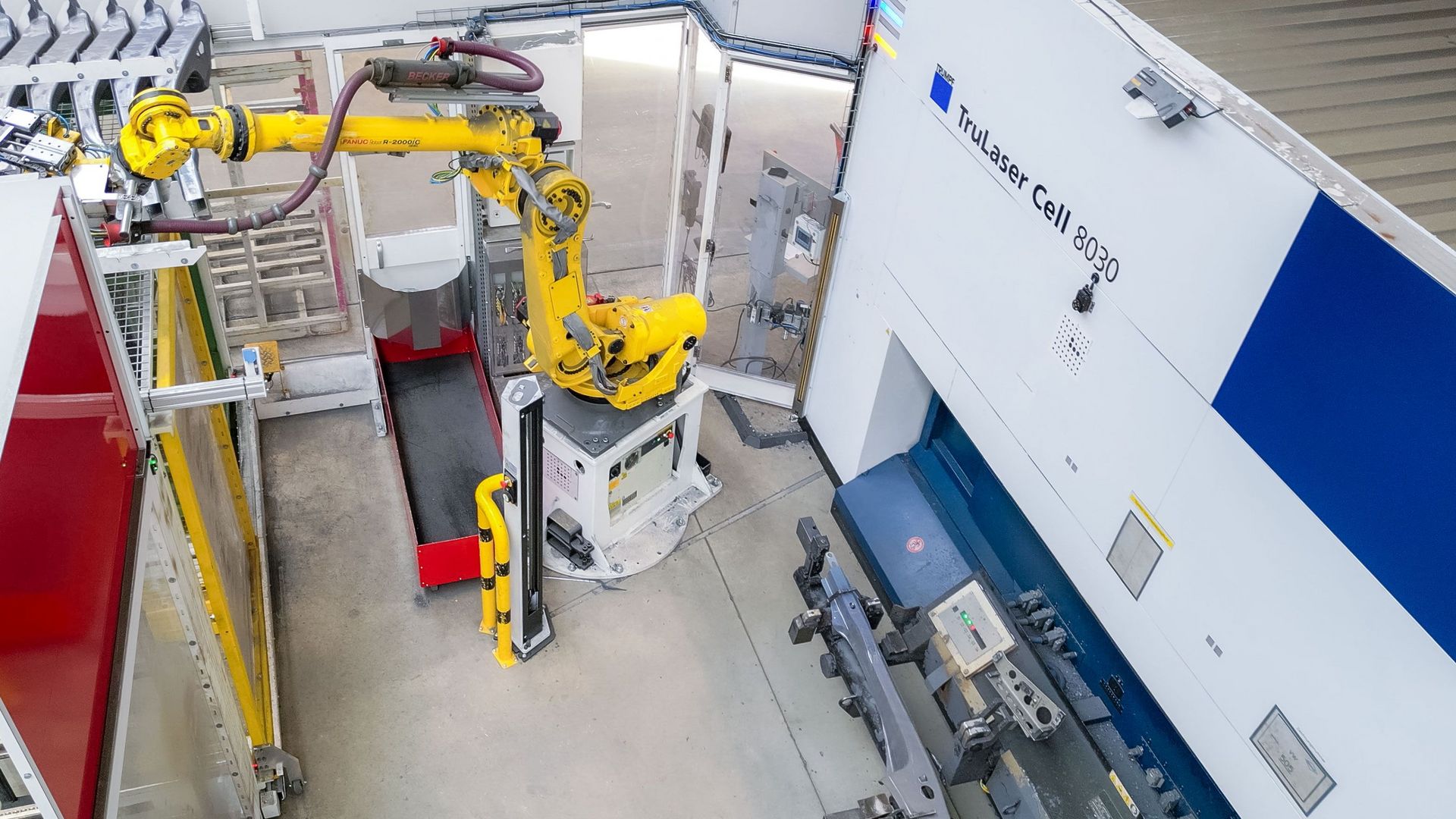
The fully automated TruLaser Cell 8030 (L60) works with a loading and unloading robot to accelerate laser processing. So that the system can work continuously, there are buffer zones above the laser work space, on which the robot parts can be stored intermediately if the containers have not yet been changed. A fixture prepared for the automation, equipped with a pneumatic lifter for part removal, ensures even faster processing. It saves a movement sequence for the robot. 

The grippers with bin-picking technology ensure process-reliable parts handling. The camera-based solution can also grip complex parts reliably and largely independently of their position. A scanner-based camera system ensures even more reliable Quality Assurance in the new machine. The scanner recognizes whether all processing steps have been carried out correctly, regardless of lighting conditions, even on dirty parts.


Implementation

The two already automated existing machines are equipped with a robot that removes half-finished parts produced from hot forming from a container specially designed for automated processing, and supplies them to TLC8030. The sophisticated camera-based gripper technology has scraper pins to remove stuck parts from the stack. An external camera system monitors the laser processing. If the laser processing is complete, the robot places the finished parts in another container. As the cutting process requires some time, there is a buffer zone above the laser. The robot can place parts to be processed here. This gives employees more time to remove empty containers and replace them with new ones without the machine having to stop. A particularly clever solution is the place-saving safety concept. "Our laser systems are close together", says Kaufmann and adds: "There is enough space for manual operation, but in the case of automation, the safety housing takes up a lot of space." The solution: The fixed housing only covers the area in which the robot is found. The other side of the machine is secured by a sliding door, which can be completely folded away. Markings on the floor, and scanners replace the fixed housing on this side of the system. "If this limit is slightly exceeded, the robot slows down, but does not stop working completely", says Müller. "The machine only stops when an employee or device comes very close to the system. In this case, it must be restarted." 

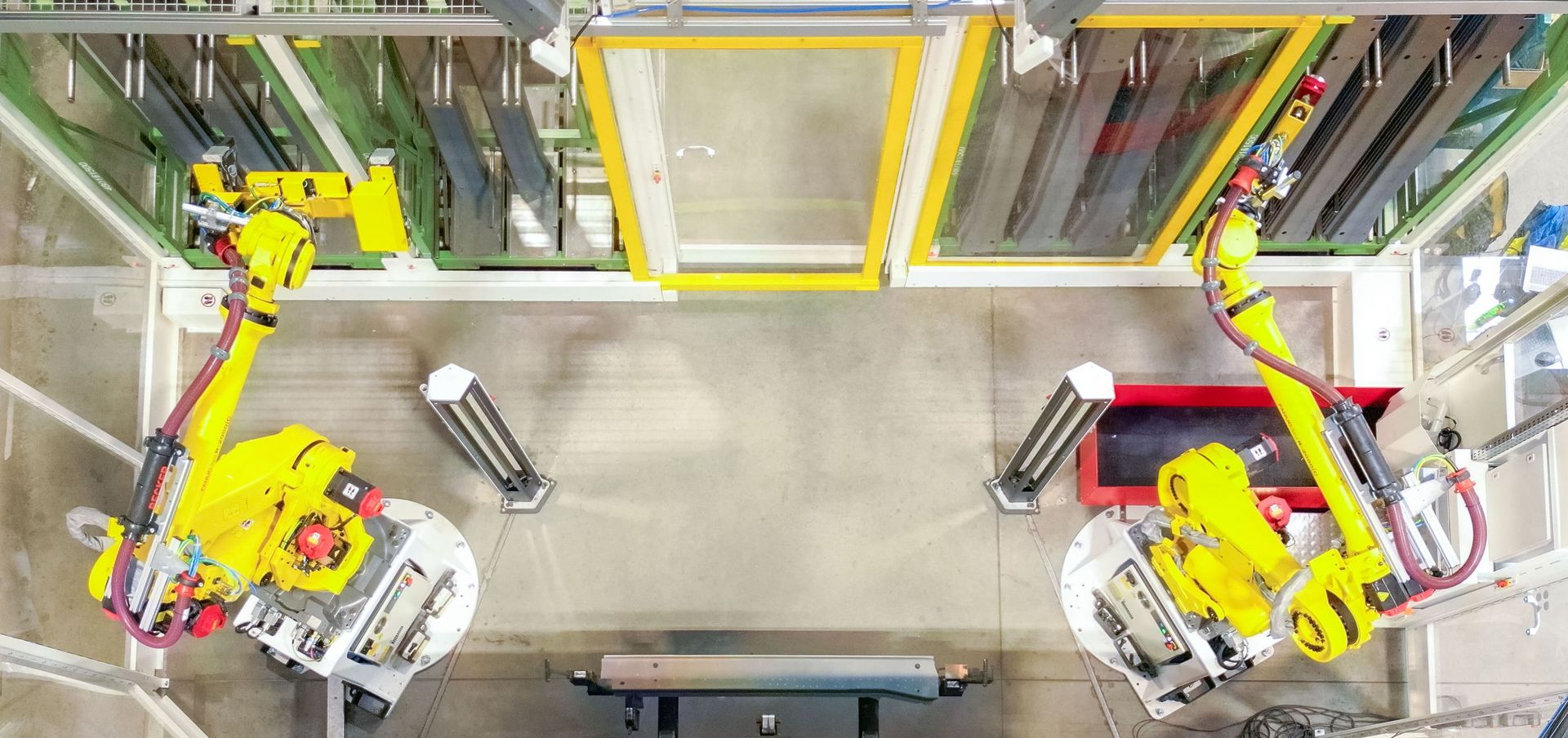
Two robots operate the fully automated TruLaser Cell 8030 (L60). On one side, one of the robots removes the half-finished parts from one of the two containers and feeds them to the machine. There is also a buffer above the laser loading station here, ensuring that containers can remain empty at the machine for a short time without the robot stopping work due to the replenishment of remaining parts. A robot on the other side removes the processed parts and places them in the provided container. If these are full, the material buffer is used as a temporary deposit site.  

The machine runs 24/7 and the employees only have to replace the containers. A scanner-based camera also ensures that all processing steps are carried out according to the quality requirements. "On this machine, we produce one part of the longitudinal bar and a sill panel with similar dimensions", explains Müller. This makes it possible to use automation to manufacture both parts on the same machine without a large setup effort.

Forecast

"It was a really good collaborative project", says Pascal Kaufmann and specifies: "Together, we searched for solutions that perfectly met our requirements. TRUMPF took general responsibility in the collaboration with Autom8. This made us feel that everything came from one source." Kaufmann was also very pleased with the flexibility: "If we had another idea and asked if it would be feasible, both TRUMPF and Autom8 were responsive to our ideas."  

GEDIA is also open to automation in the future, to streamline processes and become even more efficient. "We can utilize our workforce more effectively if we continue to automate. However, we must really consider where this makes sense. Individual solutions are therefore particularly important."

Find out more about the products

Automation for 3D laser cutting and welding

With our combination of machines, fixtures and automation from a single source, we offer customized solutions for your production requirements. Automation solutions can be offered individually for all our 3D laser systems. Together, we will develop solutions that are specifically tailored to your needs and requirements.

To the product

Updated: 2025-07-28