Mr. Reuther, many medium-sized sheet metal fabricators face a key question: Which machine is truly the right fit for their business? Where do you think they should start?
Reuther: First of all, I would advise them to broaden their focus. It's not about choosing the cheapest machine, but about identifying the most cost‑effective solution for your own production. The decisive factor is the long‑term part costs – in other words, all costs incurred over the machine's entire life cycle. These include material consumption, energy requirements, operating costs, availability and service.
That sounds like a far more comprehensive approach than the traditional focus on purchase price.
Reuther: Exactly. The purchase price is visible and easy to compare, but the running costs typically aren't. Yet in many cases, they actually make up the far larger share. If you want to manufacture cost-effectively, you need to understand how efficiently a machine performs in daily operation – and how reliably it will remain available over the years.
In your experience, which factors are often underestimated in profitability calculations?
Reuther: Service costs are often underestimated. It's not just downtimes that matter, but above all the speed of recovery – how quickly a spare part can be supplied. Is the service engineer available immediately? Soft factors also have a major impact on cost accounting, such as setup times, operator convenience, training costs and the quality of processes. Power input and material utilisation also play a greater role than many companies initially assume. All of this has a knock-on effect on the part costs.
For companies with limited investment budgets, TRUMPF has introduced a machine range developed specifically for this purpose – the 1000 Series. What is the idea behind these machines?
Reuther: TRUMPF is recognised throughout the sheet‑metal industry for its premium solutions. This is why our machines are often not known to companies that are new to sheet metal processing or want to modernise their production cost-effectively. Our 1000 Series is tailored precisely to this customer segment. It offers a lower entry level paired with high process reliability and quality. This is particularly appealing to medium‑sized companies, as it enables them to establish a stable production base with a manageable level of investment.
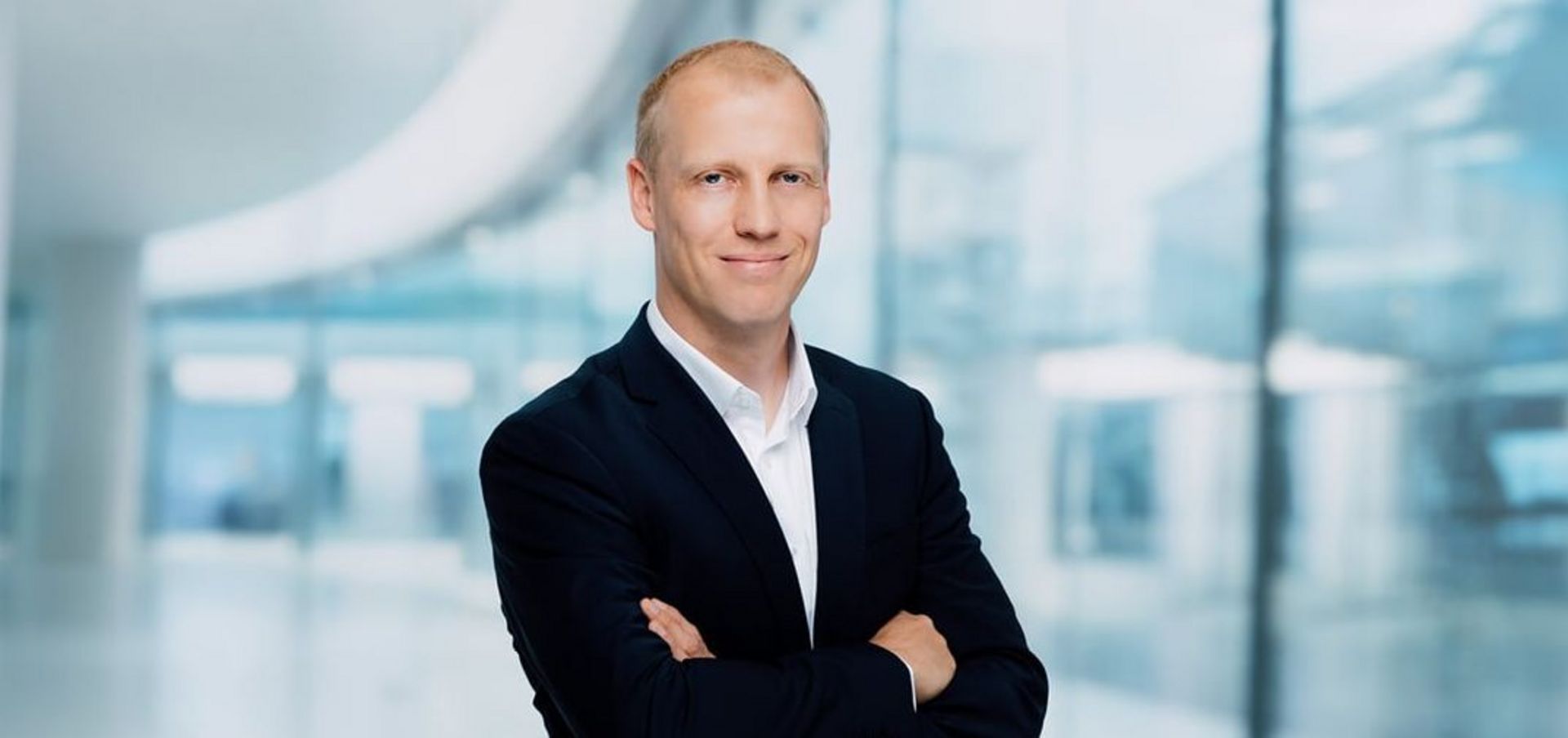
Tobias Reuther is Head of Product Management at TRUMPF Machine Tools.
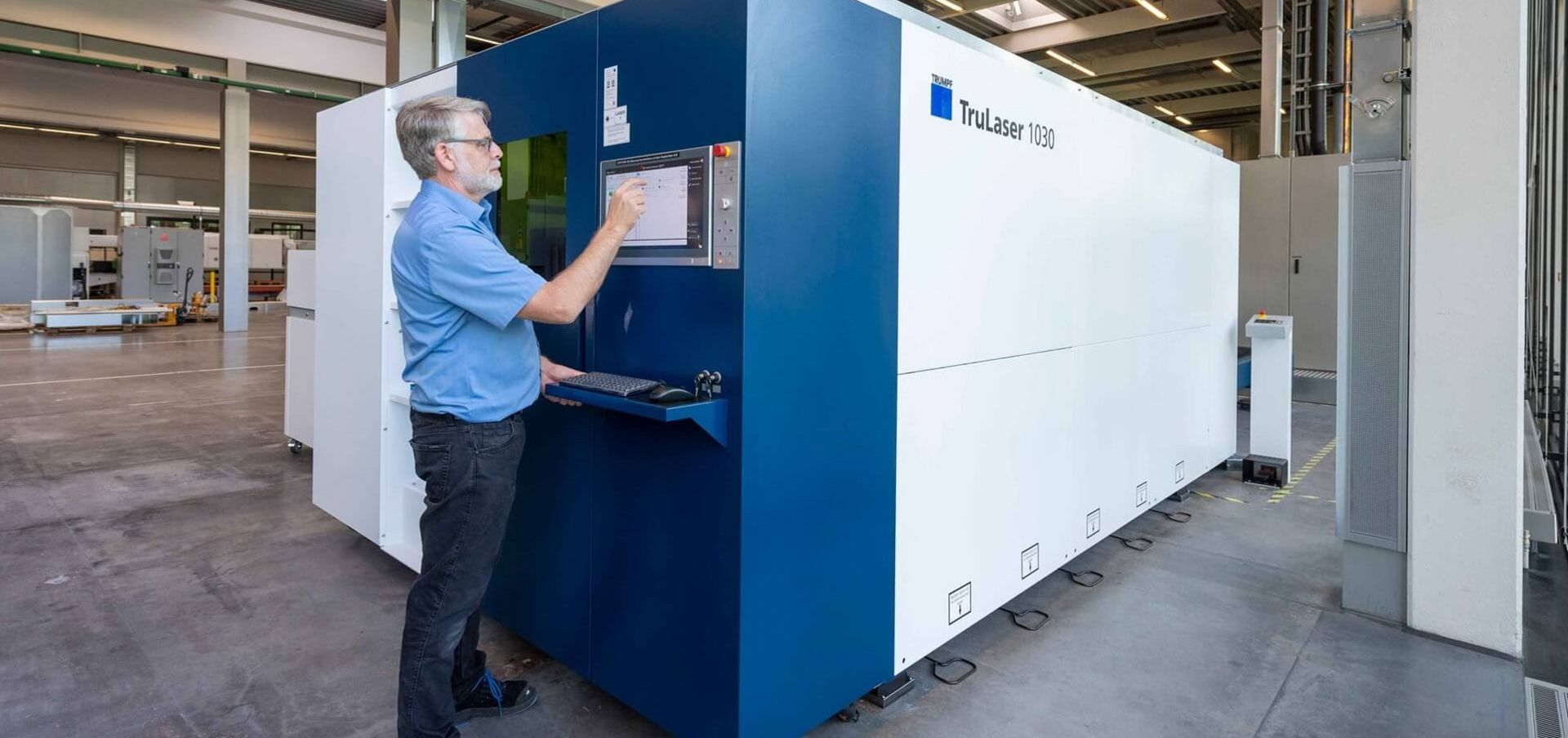
Among sheet‑metal fabricators, TRUMPF is known as a premium supplier. However, the company provides laser cutting machines such as the TruLaser 1000 from as little as €300,000. Bending machines are available from as little as €100,000.
What exactly do these machines cost and how can companies finance them?
Reuther: TRUMPF offers TruLaser 1000 Series laser cutting machines for less than €300,000. Bending machines in the TruBend 1000 Series start at €100,000. For many companies, this is still a major investment. That's why TRUMPF is the only machine manufacturer worldwide with its own bank staffed by specialists who can precisely evaluate investment risks and opportunities, along with the machine's residual value. They provide companies with bespoke advice on investments and present them with suitable financing models, such as leasing. In Europe, customers have responded very positively to this service.
How important are service and machine availability from your point of view?
Reuther: Extremely important. A machine at a standstill produces no parts but it continues to generate costs That's why we regard service, spare parts availability and maintenance not as add‑ons, but as integral elements of our product concept and value proposition. Profitability can only be achieved if the machine is reliably available over its entire life cycle.
Lots of companies are facing cost pressures. But where should they avoid making savings?
Reuther: They mustn't cut down on quality and safety. These are not adjustments that should be made on a short‑term basis. Compromises usually come back to haunt you later – in the form of longer idle times, poorer component quality or safety risks. Sustainable profitability stems from stable processes – not from short‑term cost cutting.
Finally, what is the single most important recommendation you would give to medium‑sized sheet‑metal fabricators planning to invest now?
Reuther: Think in terms of parts, not machines. Companies that adopt a holistic view of their production, analyse costs across the full life cycle and rely on dependable technology and service establish a solid basis for future‑proof operations.