48 teams, 104 matches, more than three million spectators in the stadiums. The 2026 World Cup is a sporting event of superlatives, and the whole world will be watching when the whistle blows in the 16 stadiums across the U.S., Mexico, and Canada.
Electronics manufacturer Daktronics Inc. is turning the World Cup matches into a true visual experience. The company, based in Brookings, South Dakota, specializes in LED displays, audio and sports display systems. It made headlines with the world’s largest double-sided Halo display at the Inuit Dome, the Los Angeles Clippers’ basketball arena. It is also equipping numerous World Cup soccer arenas with its solutions. “Our display systems are installed in six stadiums in the U.S. and one in Mexico that are hosting World Cup events,” reports Daktronics Vice President of Manufacturing Matt Kurtenbach. “This includes large video screens as well as main and perimeter display systems. In addition to the current scores, the screens also show scenes from the stadium, video clips, and commercials. Some of the screens consist of millions of tiny LEDs. Of course, we ensure that they function optimally on this grand stage and are ready for the World Cup.”
An experience all the way
Matt Kurtenbach has been with Daktronics for 35 years. Seeing how the displays from his own production facility create emotional experiences on the field still makes him proud – and that applies not only to the spectacular XXL solutions. “Of course, our large-scale projects like the Inuit Dome are impressive. But what makes me happiest is that we accompany people throughout their entire journey, from their homes to the venue. When they’re driving, they see Daktronics displays that help manage traffic. At gas stations, our displays show fuel prices or promote in-store offers. At the subway station or in the stadium, they help visitors find their way. So our products are everywhere, in all sorts of different forms.”
Durable displays, reliable machines
Daktronics relies on a high degree of vertical integration. Worldwide, 2,500 employees manufacture all components in-house – from metal enclosures and LED modules to electronics and control systems. The housings are mostly made of aluminum, and partly of steel. The actual display unit – the LED module – is installed inside and connected to all components in the system.
For cutting, punching and bending metal components, Daktronics has relied on TRUMPF machines for about 25 years. Matt Kurtenbach oversaw the transition himself. Back then, the company was still using turret punch presses. The problem: the tools dulled quickly. Constant tool changes increased the systems’ downtime. “TRUMPF promised us significantly longer tool life. So we decided to try out a punching machine and see if it lived up to TRUMPF’s promises. And it did. Incidentally, that first machine is still in use today.”
Daktronics typically manufactures custom solutions on a made-to-order basis. The result: a wide variety of products and small production runs.
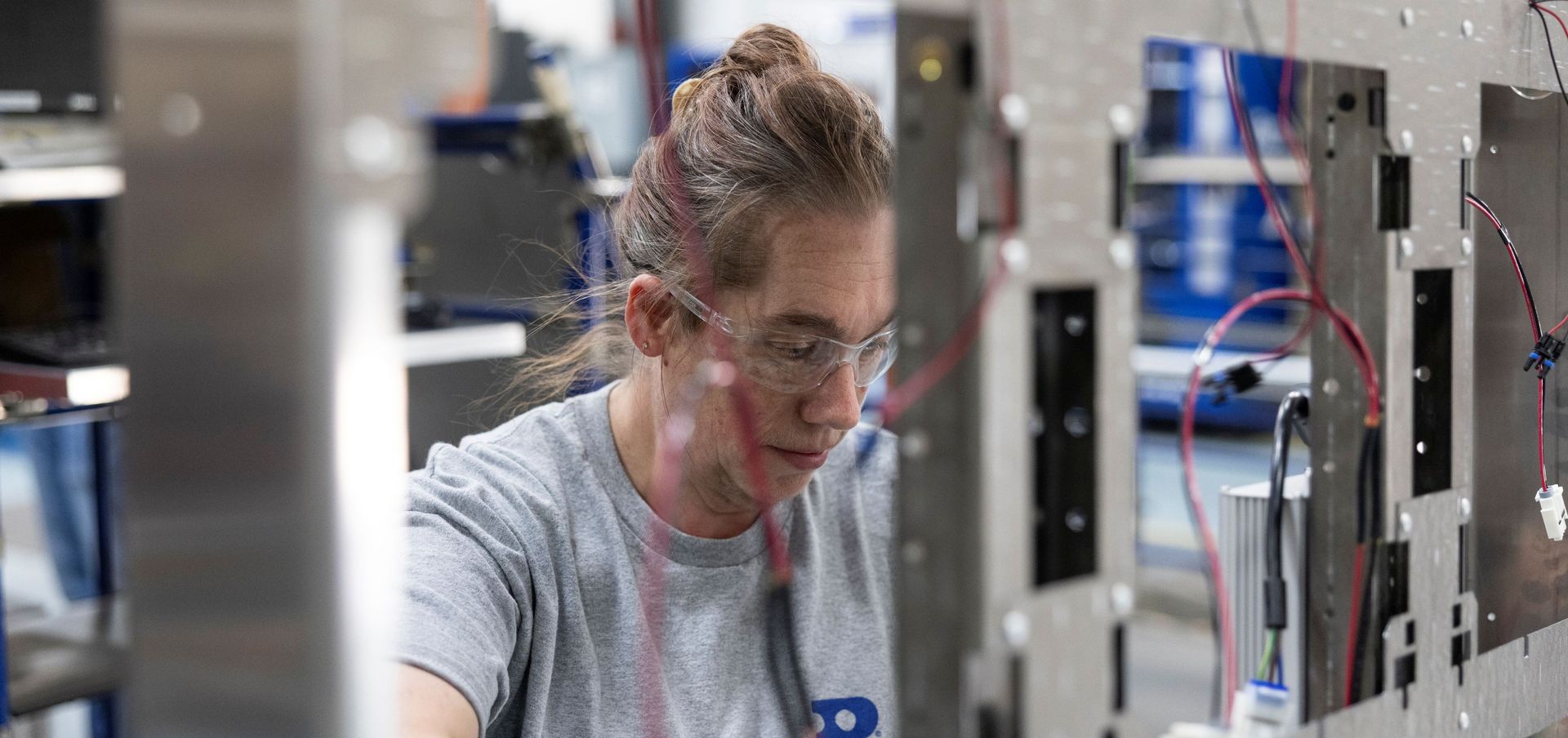
Daktronics places a strong emphasis on vertical integration. Its 2,500 employees worldwide manufacture all components in-house – from metal enclosures and LED modules to electronics and control systems.
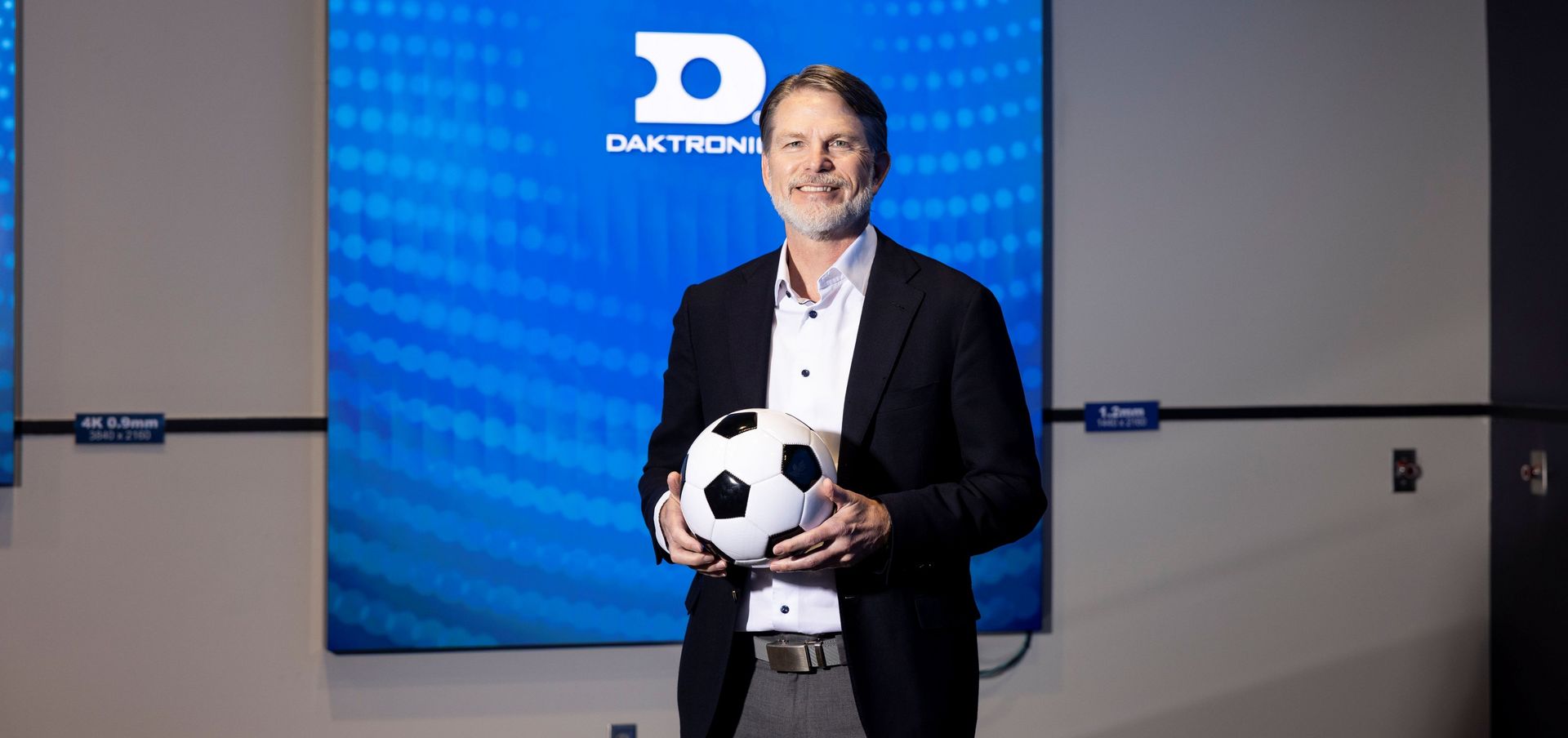
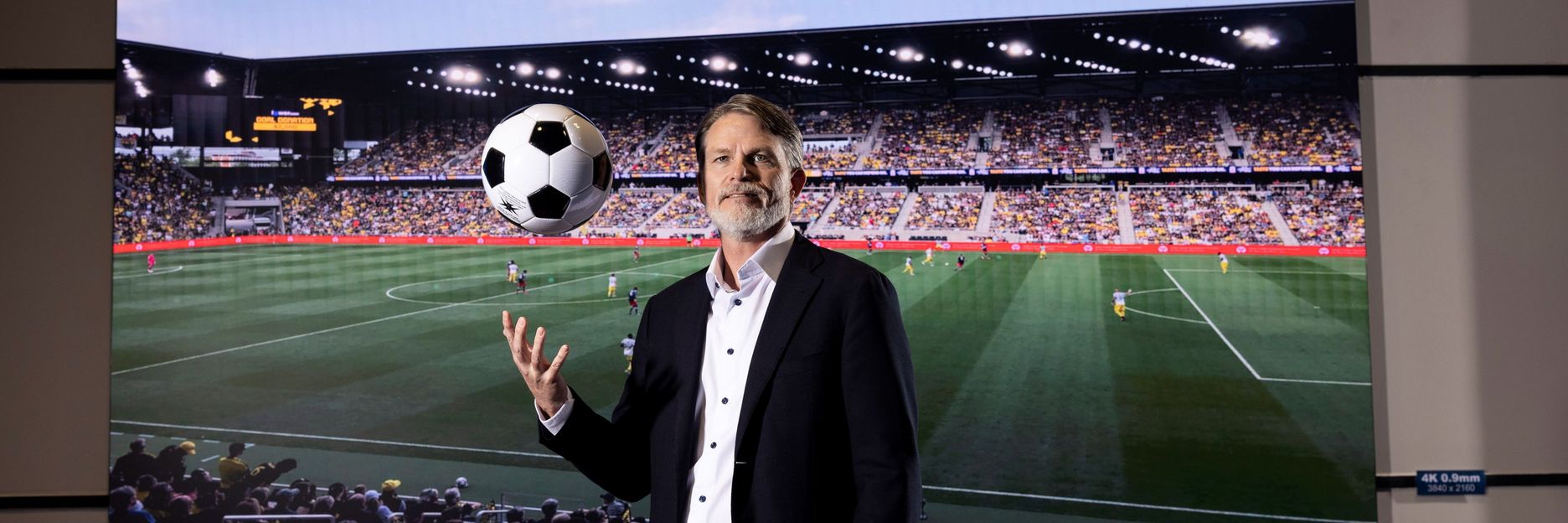
Matt Kurtenbach, Vice President of Manufacturing at Daktronics, has two reasons to celebrate: When the 2026 World Cup kicks off, Daktronics’ displays will light up the stadiums, turning the matches into a spectacular event.
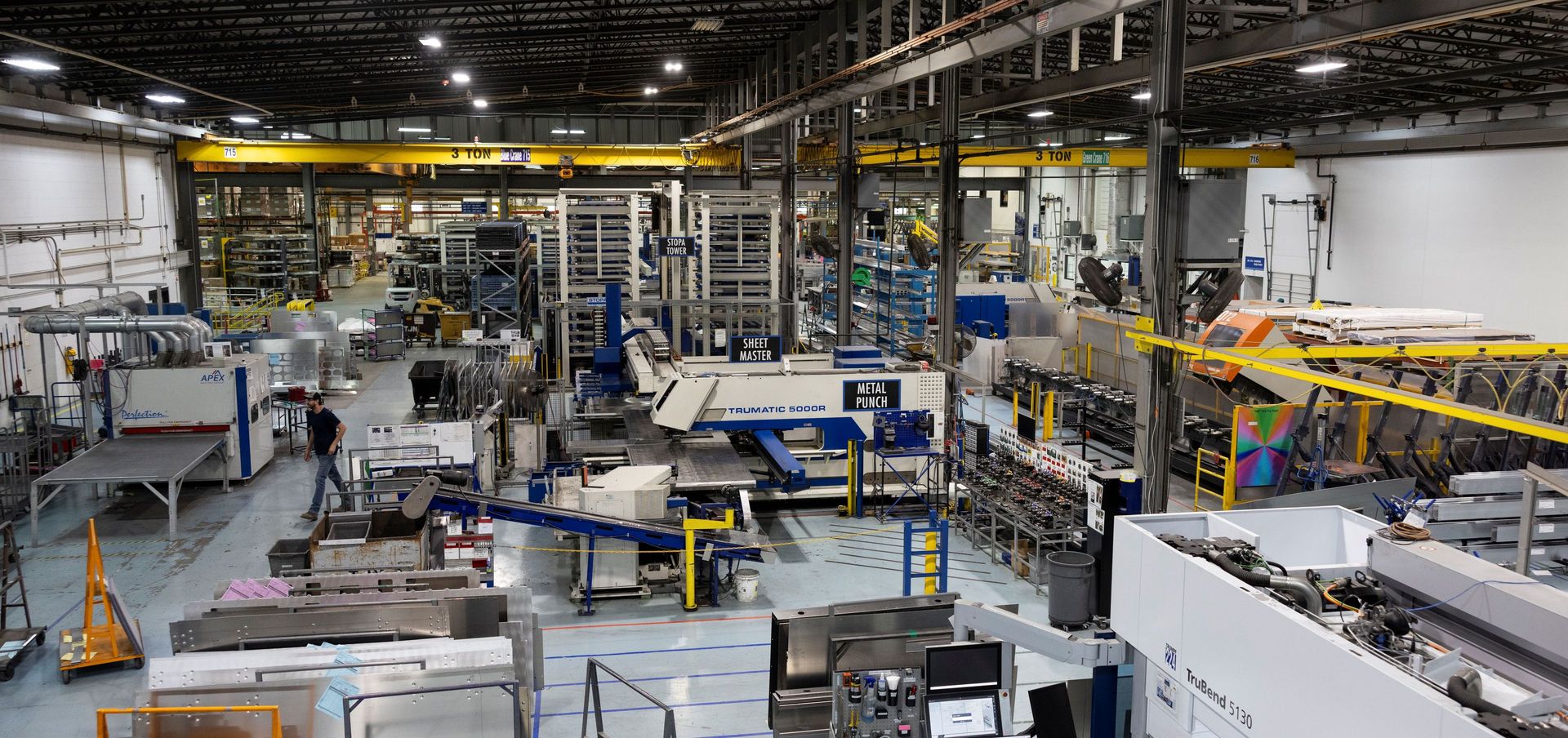
Daktronics relies on automated processes: Nearly all of its machines are equipped with automation components and connected to the STOPA warehouse.
The production facility has since been expanded to include numerous bending and punching machines, a TruMatic 6000 fiber punch laser machine and a TruLaser Weld 5000 laser welding system. When selecting machines, Kurtenbach focuses not only on high precision and reliability, but above all on durability and total cost of ownership: “TRUMPF doesn’t build cheap machines, but extremely reliable ones. Over the entire service life of the systems, that pays off. In addition, TRUMPF offers us continuous service over this long period.” Almost all systems are equipped with automation components such as the SheetMaster for sheet metal handling, STOPA storage, and the ToolMaster for automatic tool changes. Daktronics benefits from higher productivity and greater safety for employees, Kurtenbach emphasizes.
Everything Flowing
A wide variety of products in low production volumes are characteristic of its manufacturing, as Daktronics primarily produces to order. “Similar to TRUMPF, our customers have options to choose from, which we then combine into a customized solution,” says Kurtenbach. He adds: “TRUMPF’s streamlined and connected manufacturing approach was therefore a real inspiration for our manufacturing processes. When I saw how TRUMPF used it in their production, I said: Hey, I think we can do that here at Daktronics, too.”
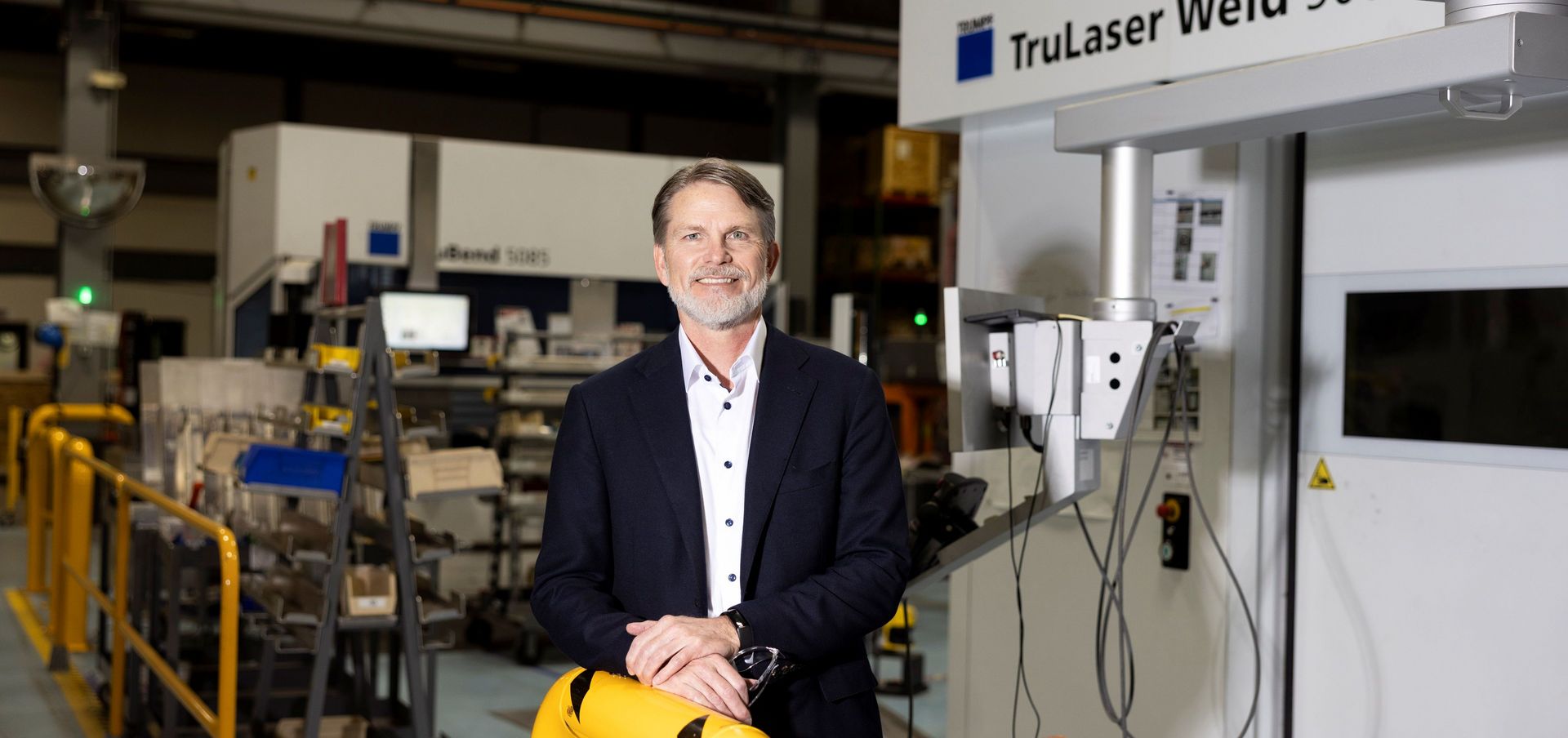
Daktronics has been relying on TRUMPF machines for 25 years. Matt Kurtenbach values their high precision and reliability, as well as the systems’ durability.
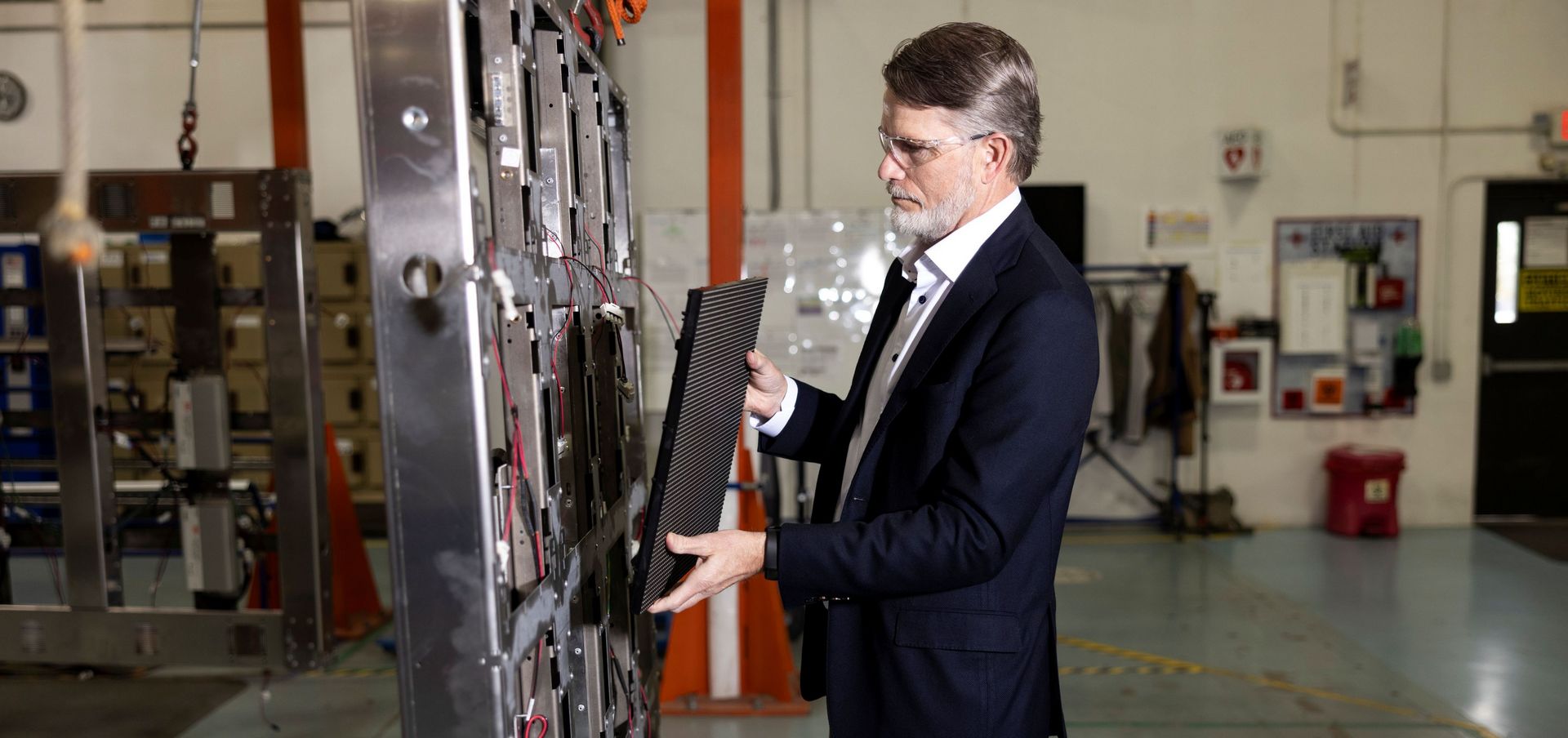
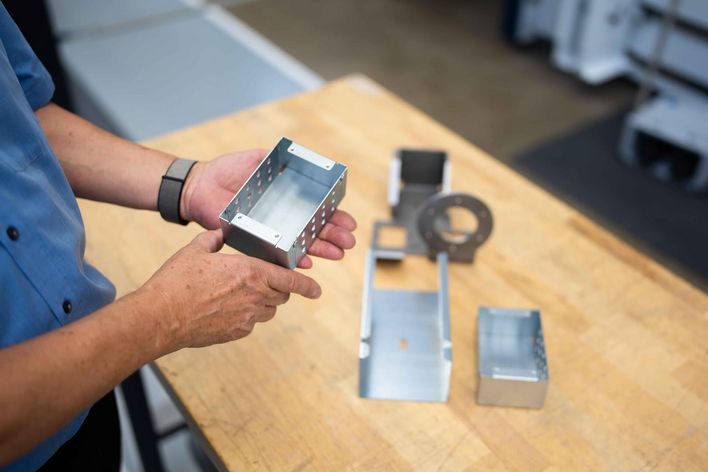
The metal housings of the displays are mostly made of aluminum, with some parts made of steel. The actual display unit, the LED module, is embedded within them and connected to all the components in the system.
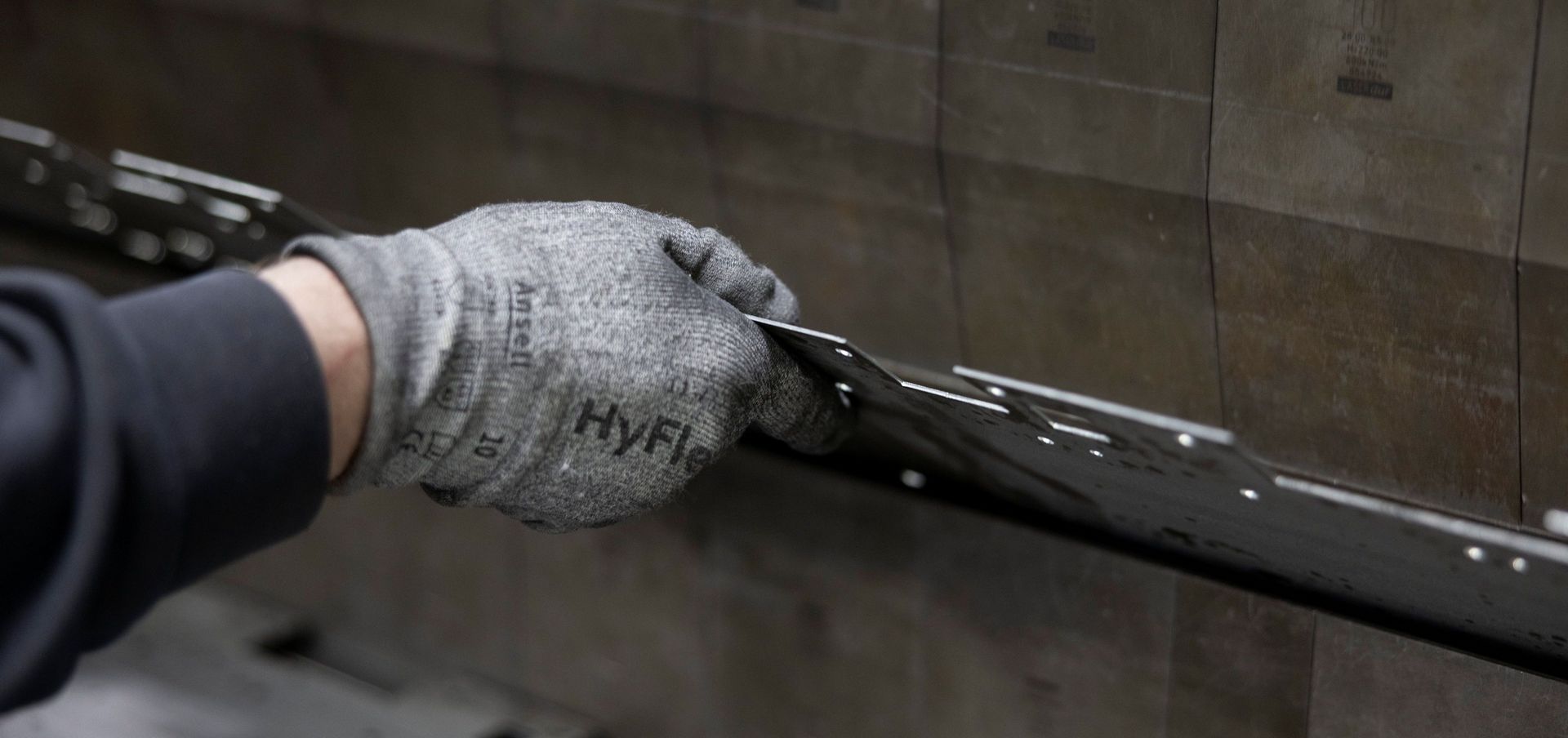
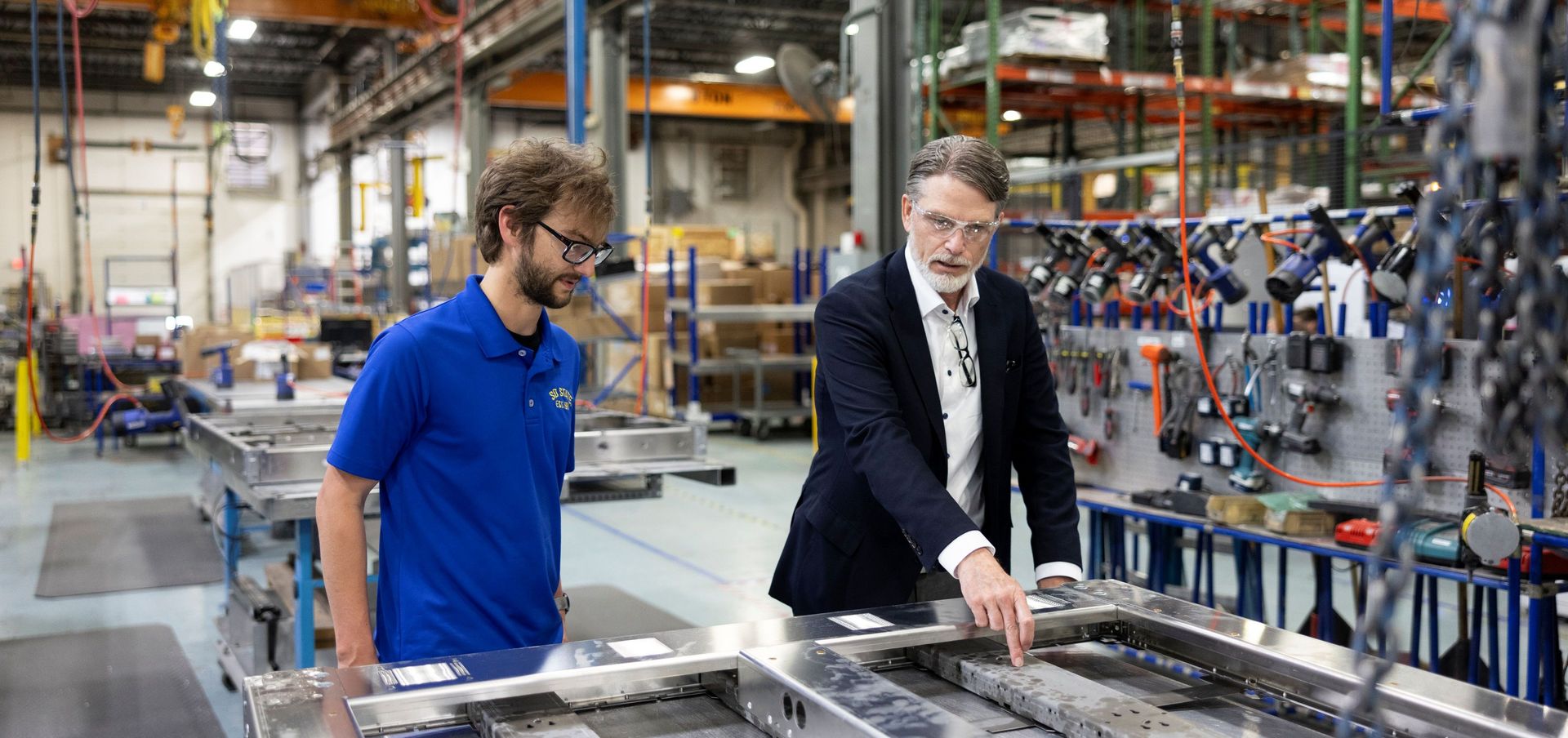
At Daktronics, quality is a top priority. This includes the precise bending of oversized frame components.
This vision of flow production has long since become a reality in Brookings, and Matt Kurtenbach is already thinking ahead: “Getting the raw material to the automated cell and moving the finished parts on to the next production line – that will be the next challenge in terms of automation.” Already, Kurtenbach has witnessed the benefits brought by automated production at Daktronics strategic partner, Counterpart, Inc., which uses an automated TruLaser Center 7030 laser cutting system and TruLaser Weld 5000 robotic laser welding system to assist in the timely and reliable supply of fabricated components.
In addition, the assembly of the displays is currently done primarily by hand; this production step could also be automated to a greater extent. Kurtenbach currently sees a real growth market in high-resolution indoor displays. Demand is rising, and so are the demands on production: “The closer the pixels are together, the higher the precision required for the entire display assembly. That’s why we’ll be working toward tighter tolerances in the future.”
The whole world in the front row
Modern systems, more automation, higher precision -- for Matt Kurtenbach, all of this contributes to a central promise: “Customers don’t just buy a display from Daktronics; above all, they buy confidence in a reliable product and a partner who stands behind their solution for the long term.” With a partner like TRUMPF, who shares this winning mindset, he aims to ensure that this promise remains true in the future and that Daktronics continues to deliver an impressive experience with its displays – on both a grand and intimate scale – at the next sporting event.
When the Daktronics displays light up in the stadiums during the World Cup, Kurtenbach will be watching too. As an avid sports fan, he’s looking forward to the tournament’s special atmosphere. He’s rooting for the host countries, the U.S. and Mexico, not just because Daktronics has its own locations there. “I’ll definitely be watching those games.”