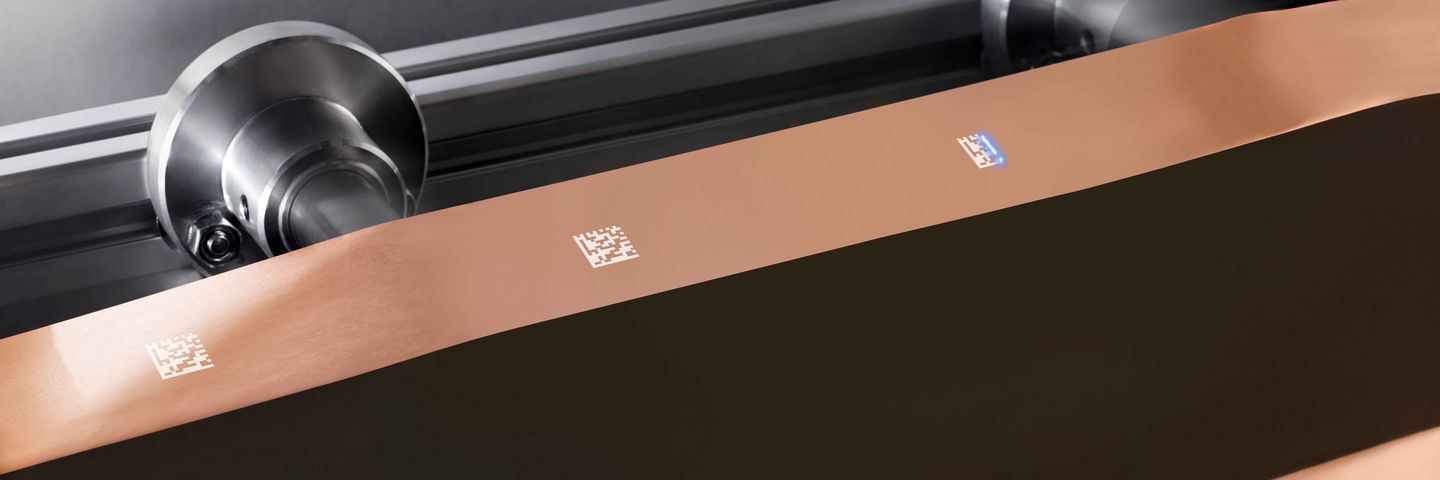
How to combine high belt speeds, consistent readability, and short cycle times with run-through laser marking
Laser marking shouldn't slow down your production line. This white paper explains how to implement marking on the fly (MOF) in a technically efficient way, from sensor technology and encoder integration to software parameters and optimisation of the marking layout. Using real production examples (cables, tubes, battery foils, packaging, metal and plastic parts), you will learn how to balance marking quality, cycle time and process stability while avoiding stop-and-mark processes. This allows you to reduce idle states, cut waste and ensure consistent marking results as production volumes increase. Ideal for managers who need to keep an eye on OEE, throughput, and traceability all at once. In this white paper, you'll learn:
- How MOF works in linear, rotary and cylindrical motions – and which version is best suited to your application
- Which hardware and software requirements are critical for stable processes (sensor systems, encoders, RTC, TruTops Mark)
- How to design the marking field, transport speed and contents to ensure optimal cycle times and throughput
- Where the technical limits are (e.g. multi-line text, bitmaps) and how to optimise layouts for reliable readability
- Real-world examples with belt speeds of up to 300 m/min and tips for cycle time reduction